


Disability rights groups want political parties to make measurable commitments to inclusion before voters head to the polls on 4 November.
 Elections 2026
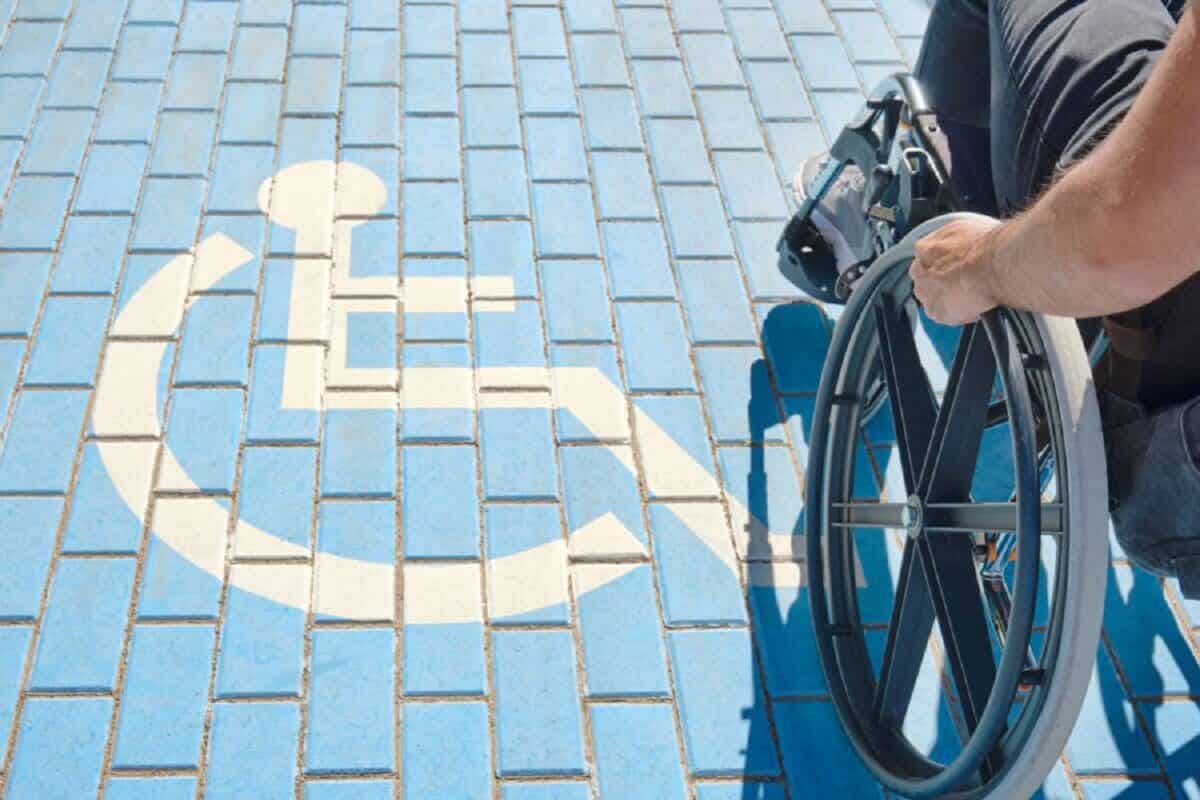
Disability advocacy groups say political parties continue to marginalise disabled South Africans in leadership, candidate selection and election campaigning. Picture: iStock


Political parties are still excluding disabled people as the upcoming elections approach, according to Disabled People South Africa (DPSA) national chair Patrick Mahlakoane.
He said the organisation was outraged and gravely concerned about the continued marginalisation of the disabled.
DPSA says exclusion threatens democracy
South Africa’s democracy cannot be sustained while disabled people are excluded from meaningful participation and are not at the centre of the national and local developmental agenda, he added.

LIVE interactive map, latest news, multimedia and more!
View Map“Disabled people in the country continue to face severe challenges, including unemployment, poverty, inadequate access to education and health care, and limited access to basic services.
“These challenges constitute a national crisis and are a clear indication that disabled people are being failed by the systems meant to protect, support and empower them.”
He said the ongoing regression betrays South Africa’s democratic foundations and hard-won freedoms.
It is also inconsistent with the constitutional vision of equality.
Calls for political parties to make firm commitments
He cited Section 9 of the constitution, which states that everyone is equal before the law and has the right to equal protection and benefit of the law.
“Equality includes the full and equal enjoyment of all rights and freedoms. To promote the achievement of equality, legislative and other measures designed to protect or advance persons, or categories of persons, disadvantaged by unfair discrimination may be taken.
“DPSA demands a national dialogue with all political parties to secure clear, measurable and enforceable commitments on the rights and development of disabled people.”
According to him, the dialogue must enable disabled people and their representative organisations to assess the commitments of political parties before deciding how to mobilise their members in the upcoming local government elections.
“DPSA therefore issues an urgent and uncompromising call to all political parties in South Africa to engage the disabled sector, and DPSA in particular, in reviewing and strengthening their election manifestos.”
Persistent underrepresentation warning
Political analyst Theo Neethling said it should be noted that disability advocacy groups and coalitions in SA, including organisations representing millions of citizens with disabilities, frequently condemn political parties and national political structures for systematically sidelining persons with disabilities from meaningful leadership and political representation.
“Collectively, the coalition of disabled people’s organisations represents about three million South Africans, or seven percent of the population.
“Their characterisation of the continued marginalisation of disabled leaders is a serious violation of constitutional rights and a betrayal of democratic principles and should be taken seriously.
“We should also acknowledge that, since 1994, the visible representation of persons with disabilities in parliament and provincial legislatures has remained relatively low.
“When candidate selection processes take place, party hierarchies appear to routinely relegate disabled leaders to lower positions on electoral lists – safely out of reach of actual public office, yet sufficiently prominent to project an appearance of inclusivity.
“For decades, South African political parties have seemingly approached disability through a lens of paternalistic charity, rather than political agency.”
Disabled citizens are courted as a voting bloc during election campaigns, patronised with promises of improved welfare, and then too often forgotten once the ballots have been counted, said Neethling.
Even the mechanics of modern campaigning – from physically inaccessible rally stages to voter education materials that lack sign language interpretation or Braille – can effectively exclude grassroots disability activists from meaningful participation in the democratic process, he added.
Experts differ on political participation
Another political expert, Goodenough Mashego, said disabled people don’t need to be included in political parties, but they can stand as candidates.
“I’m quite certain if a particular party has disabled people in its leadership, in its membership, such matters that are of concern to them can be dealt with within that party.”
Liezel van der Merwe, chair of the portfolio committee on women, youth and persons with disabilities, said society as a whole was not doing enough to protect and empower persons with disabilities.
“This is evident in the extremely high unemployment rate among persons with disabilities, as well as their continued exclusion from many aspects of society, including the education system.
“We understand that Minister of Women, Youth and Persons with Disabilities Sindisiwe Chikunga has engaged with the Electoral Commission of South Africa to ensure the full inclusion of persons with disabilities in the electoral process.”
However, she was unable to comment on behalf of the committee on whether political parties have sufficiently included persons with disabilities, as the party lists have not yet been published.
“The committee keenly awaits the introduction of the Disability Rights Bill. This, we believe, will be a great leap forward for the promotion and protection of persons with disabilities.”