


In South Africa, queues have become shared social spaces where annoyance meets community and chaos meets routine.
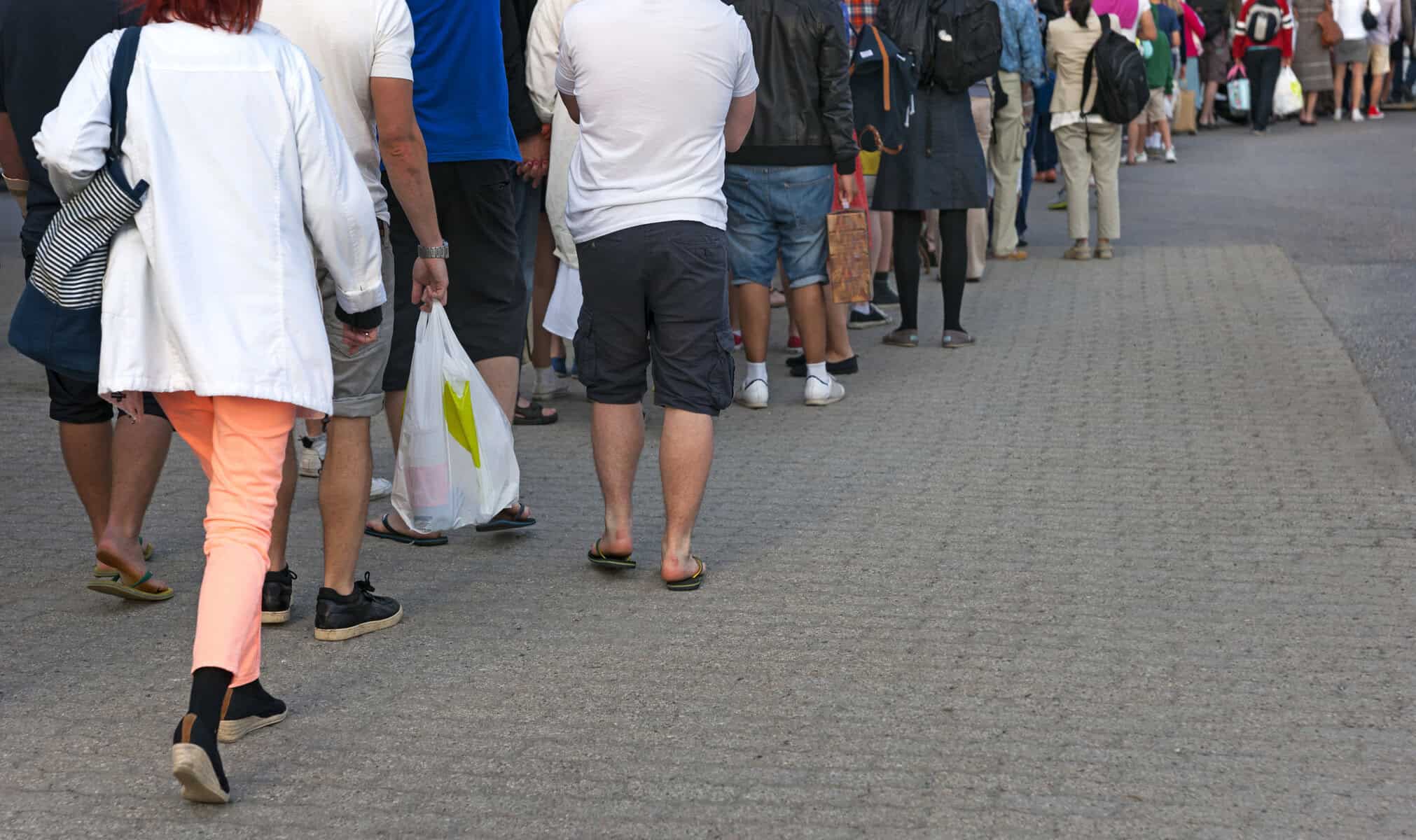
Image for illustrative purposes. Picture: iStock


There are three things you can count on in South Africa, I told a friend: potholes, load shedding and queues – long, winding, soul-sapping queues.
Some countries measure their greatness in gross domestic product or Olympic medals. We could honestly measure ours in the number of hours spent standing in line at home affairs.
Queues there aren’t just about waiting, they’re an entire cultural ecosystem, with unspoken rules, archetypes and survival strategies.
If you think you’re just standing in a line, you’re mistaken, you’re participating in a ritual as old as bureaucracy itself.
Take home affairs, for instance. To survive that queue is to qualify for an endurance sport.
People arrive before sunrise, armed with camp chairs, flasks of Ricoffy and the type of grim determination usually reserved for climbing Kilimanjaro.
By 6am, the queue snakes around the block like a giant python. Of course, there’s always that one chancer who pretends to “just ask a question at the front” and then magically dissolves into the line.
Queue rage is real, and there is no insult sharper than: “Hey, we’ve been standing here since 5am. Who do you think you are?”
ALSO READ: The great Christmas tree timing debate
Every South African queue has its cast of characters:
- The professional waiter – He’s got the chair, the newspaper and the cool box. He’s been here before and he’ll be here again. This is not his first rodeo.
- The complainer – From the second the queue forms, this person supplies running commentary: “This is ridiculous. In my day, things worked. I could run this place better myself.” We’ve heard it all, Mr.
- The friendmaker – They’ll know your full-life story before you even reach the front. Sometimes you’re grateful. Sometimes you’re plotting an escape.
- The phantom cousin – The relative who arrives late, waves to someone already in line and, suddenly, “just joins them quickly”. Nobody trusts the phantom. Queues aren’t reserved for state institutions.
The Checkers vs Pick n Pay queue is its own battlefield. You’ve done the calculations – 10 trolleys in one queue, six in the other, but the six-trolley line has two pensioners who will insist on paying in exact coins.
But here’s the thing: as much as we moan, queues are a strange kind of glue.
It’s in queues that we gossip, share gripes, lend pens and watch toddlers throw tantrums.
It’s where strangers unite against “that one guy who cut in”.
Support Local Journalism
Add The Citizen as a Preferred Source on Google and follow us on Google News to see more of our trusted reporting in Google News and Top Stories.

