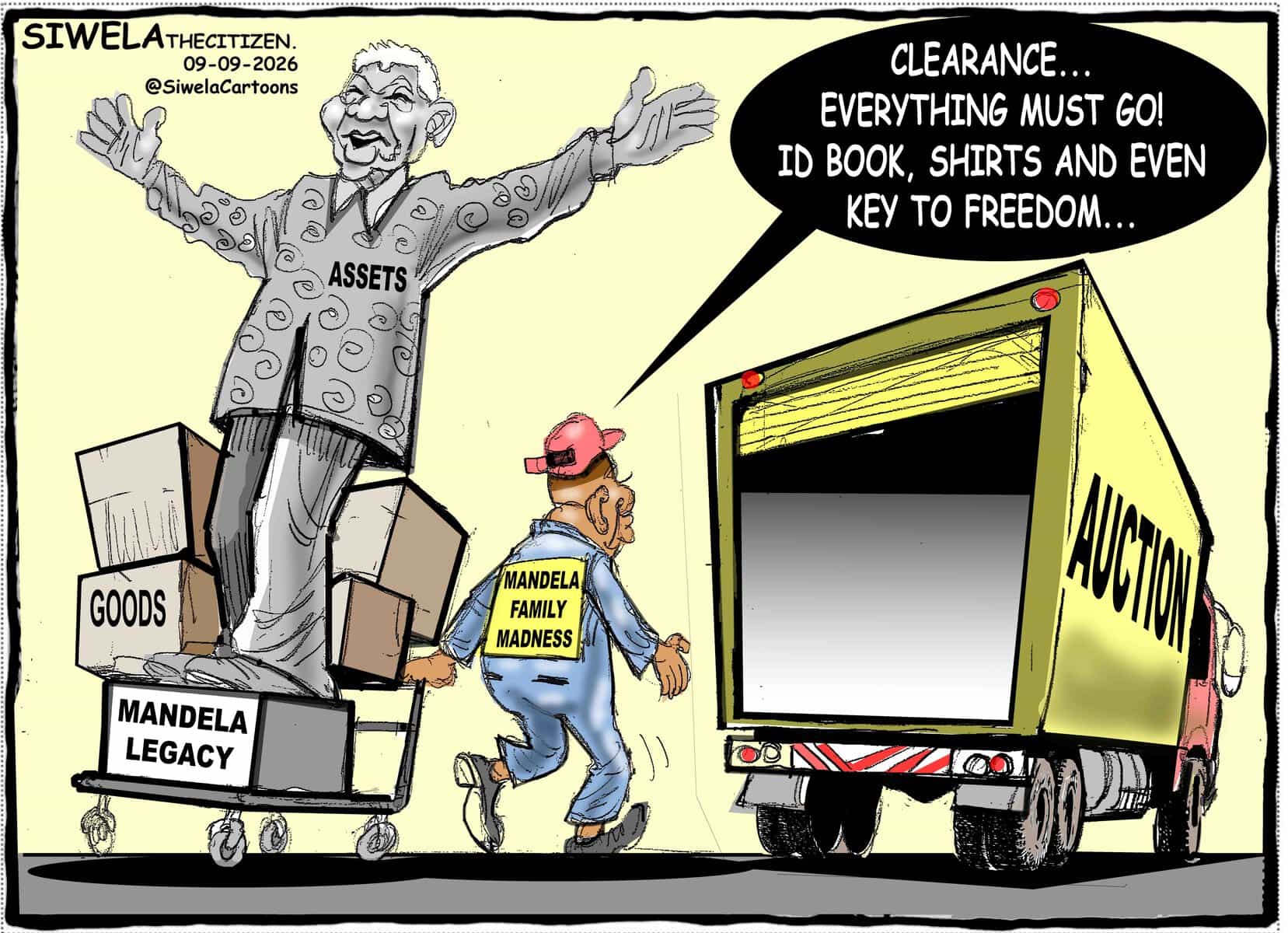
A Constitutional Court battle is testing whether Nelson Mandela's personal effects are private property or national heritage.
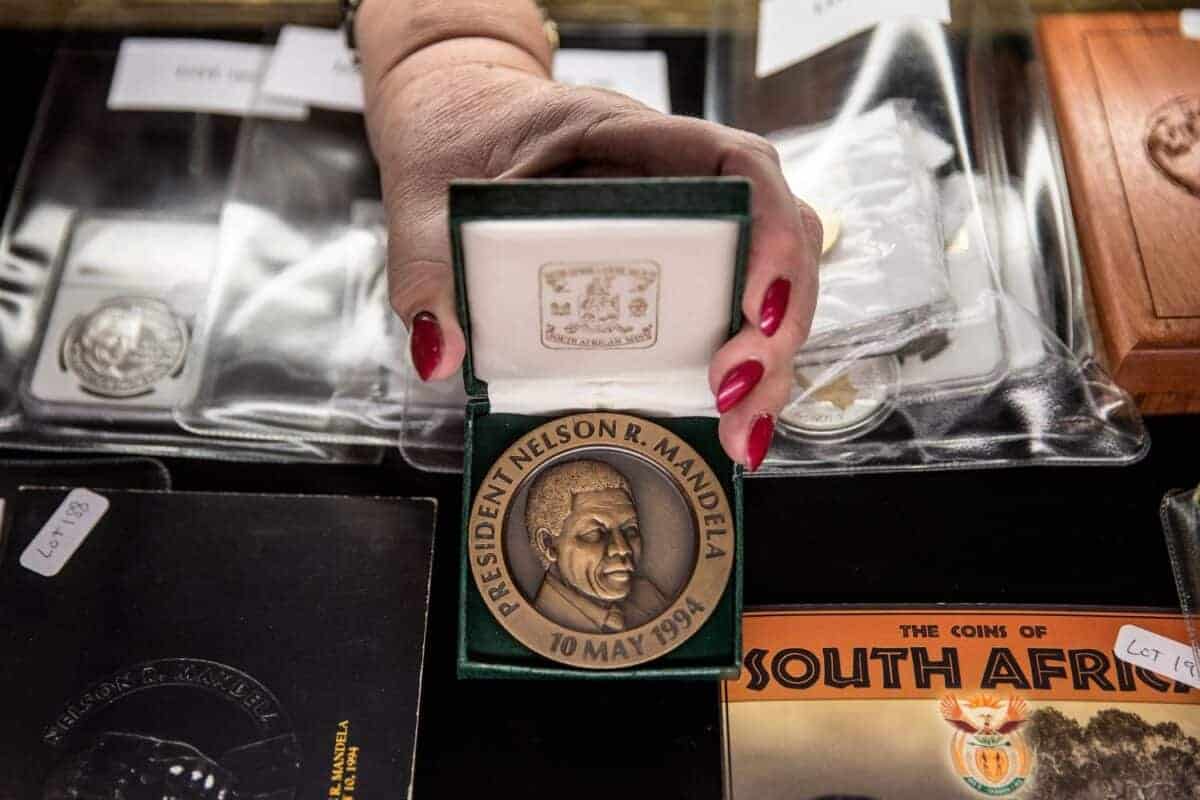
An attendant shows a commemorative medal of late president Nelson Mandela during an auction in Johannesburg on 15 July 2014. Picture: Marco Longari / AFP


Governments should interfere as little as possible in the personal lives of people – and should not dictate to them what to do with their property, as long as they are not involved in illegal activity.
But, where do you draw the line when it comes to property which, while it may be personal, may also belong to the nation?
That’s the question being debated in the Constitutional Court, as the government fights to prevent precious items which once belonged to Nelson Mandela being auctioned off in a foreign country.
The battle has been going on for four years as the government’s Heritage Resources Agency (Sahra) tries to stop Madiba’s daughter, Makaziwe, from disposing of 29 of his personal items – ranging from his ID book which he used to cast his first vote on April 27, 1994, to some of his iconic flamboyant shirts.
Sahra’s argument, which has been rejected by lower courts, is the objects have priceless value as historical artefacts.
We wouldn’t argue with that – the ID book alone is the South African equivalent of the English Magna Carta in symbolising earthquake-like political and societal change.
Yet, apparently, you can put a price on that slice of history and the auction house estimates the book could go for upwards of $150 000 (about R2.4 million).
That, we would submit, is a lot more than you realistically need to honour your father by building a “garden of remembrance” at his Qunu homestead in the Eastern Cape, as his daughter argues.
There would be plenty of individuals or entities which would help crowdfund such a project, we would say.
It does all look a bit unseemly – even though the Madiba mystique is fading, along with the Rainbow Nation dream.
Those items are memories, not just for the Mandela family, but for the whole country.