


Violence in KuGompo reflects growing tensions over immigration, governance failures and cultural identity as frustrations spill onto the streets.
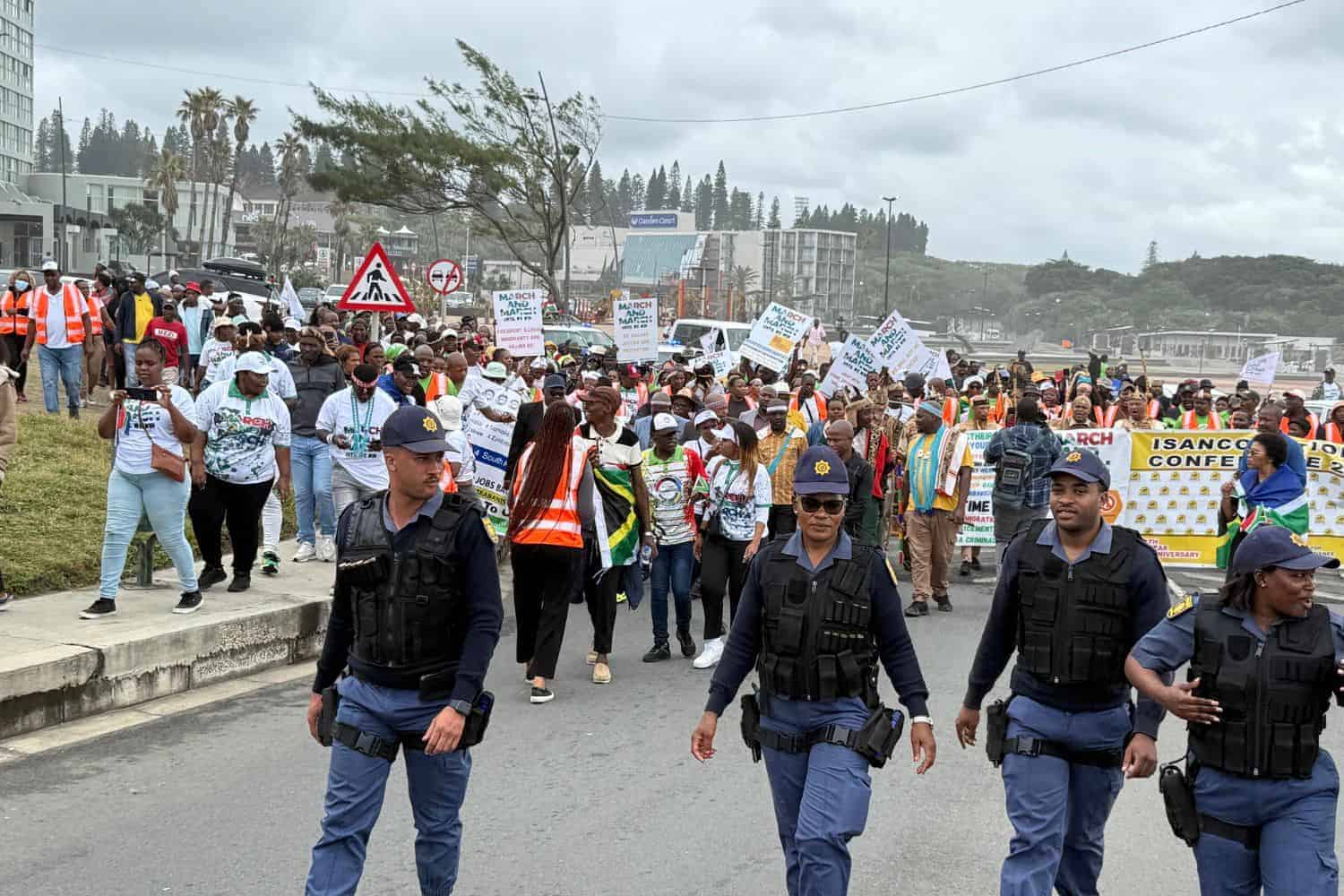
Picture: Athol Trollip/ X


East London – now officially KuGompo – is usually a quiet coastal city. But this week its streets were engulfed in flames as vehicles, buildings and public spaces were torched by angry crowds.
The trigger was the installation of a Nigerian Igbo monarch in the city, an act local communities interpreted as a challenge to traditional authority.
The coronation sparked outrage among South African traditional leaders, including the Sandile kingdom, whose jurisdiction is encroached on, the Khoisan chiefs, aba Thembu King Buyelekhaya Dalindyebo and other monarchs nationwide, who argued that foreign monarchs cannot conduct coronations within another king’s jurisdiction.
It’s important to note the strong support of the action by the people from KwaZulu-Natal.
In Xhosa tradition, as in many African customs, “two bulls cannot share one kraal”. The symbolism of a foreign coronation was seen as undermining local sovereignty.
Politically, there were those who regarded it as land dispossession by foreigners in an area that knows the pain of dying for land ownership.
Yet the violence in KuGompo taps into a deeper fault line of South Africa’s unresolved immigration crisis.
For years, frustrations over undocumented migrants have simmered, often erupting in xenophobic attacks that started around 2008.
Now, communities complain of overcrowded schools, strained hospitals and competition for jobs and housing.
The perception, accurate or not, is that foreign nationals benefit at the expense of locals, while government fails to enforce immigration laws.
Operation Dudula, a grassroots campaign targeting undocumented migrants, has been condemned by the authorities as vigilantism – yet, in reality, Dudula’s existence is symptomatic of the immigration crisis in South Africa.
ALSO READ: AbaThembu kingdom demands accountability after KuGompo ‘Nigerian king’ unrest
The KuGompo violence illustrates that such movements gain traction when citizens feel abandoned by the state.
Instead of addressing systemic failures, government often criminalises those who take matters into their own hands. This selective enforcement fuels resentment and leaves the underlying problem unresolved.
Former home affairs minister Aaron Motsoaledi repeatedly warned of the strain undocumented migration places on public services.
He cited hospitals where the majority of patients were foreigners (Steve Biko in Pretoria), echoing concerns raised by previous provincial health MECs in Gauteng (Gwen Ramokgopa) and Limpopo (Phophi Ramathuba).
Motsoaledi pushed for a new Immigration Bill, but his efforts were unsupported in government and his party. The absence of a coherent policy left communities to vent their anger directly at migrants.
The KuGompo unrest is, therefore, less about Nigerians versus South Africans than about governance failures.
Traditional leaders saw the coronation as an affront to their authority, citizens saw it as outsiders disregarding local norms. Both grievances converged in violent protest.
The Eastern Cape was the site of the Frontier Wars – a century of resistance against colonial dispossession from 1779. That legacy of defending land and identity remains strong.
But the KuGompo violence is a symptom of a broader malaise: three decades of governance marked by corruption, inequality and failure to manage migration.
Citizens are told their anger is xenophobic, yet their frustrations stem from real pressures on services and institutions.
KuGompo is a warning of what happens when governance gaps collide with cultural sensitivities and economic hardship.
NOW READ: Deport Nigerian ‘king’ and all who crowned him, traditional leaders demand
Support Local Journalism
Add The Citizen as a Preferred Source on Google and follow us on Google News to see more of our trusted reporting in Google News and Top Stories.

