Advocate Shamila Batohi’s concessions during the inquiry reveal flawed decisions, undermining public trust in the NPA and its capacity to deliver justice.
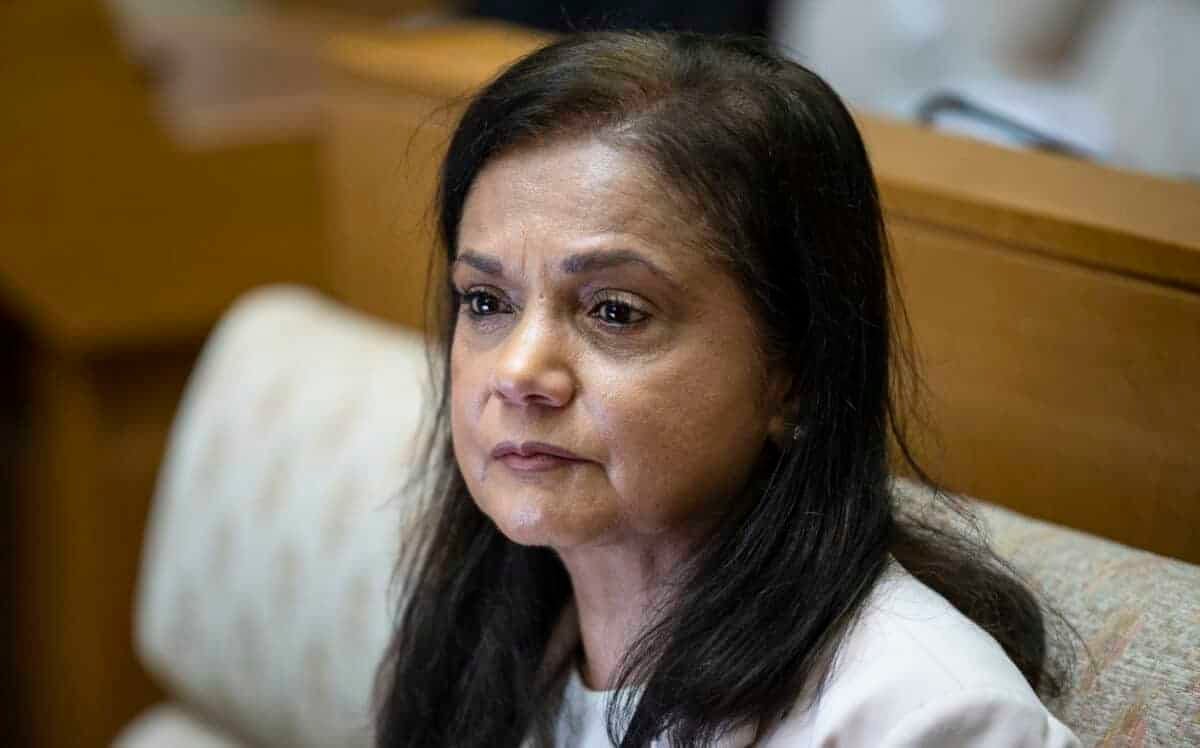
National Director of Public Prosecutions advocate Shamila Batohi’s concessions undermine the NPA’s legitimacy and may weaken voluntary compliance with the law, a legal expert says. Picture: Gallo Images


Advocate Tembeka Ngcukaitobi is expected to continue his grilling of outgoing prosecutions boss, advocate Shamila Batohi, on her “poisoned” and “irresponsible” basis for the charge against Johannesburg prosecutions boss Andrew Chauke, when the inquiry into his fitness to hold office resumes on Wednesday.
On Monday, Ngcukaitobi, Chauke’s lawyer, took her to task, cornering her into making a series of striking admissions under cross-examination about her handling of key decisions that led to Chauke’s suspension.
The inquiry is focusing is on two contentious matters; the racketeering charges authorised against former KwaZulu-Natal Hawks head MajorGeneral Johan Booysen and members of the Cato Manor Unit, and the withdrawal of murder charges against former crime intelligence boss Lieutenant-General Richard Mdluli.
Batohi’s concessions during inquiry reveal flawed decisions
In a notable concession, Batohi confirmed she did not read the case docket relating to the racketeering allegations against Booysen before concluding there was no evidence to sustain the charges.
Instead, she told the inquiry she relied on a memorandum prepared by her deputy, Rodney de Kock, and reports from the National Prosecuting Authority (NPA) in KwaZulu-Natal.
ALSO READ: Simelane to be interviewed for NPA boss job despite past controversies
She also conceded that some of the charges levelled against Chauke were incorrect and admitted that wording in at least one charge was wrong, rendering President Cyril Ramaphosa’s terms of reference erroneous.
These concessions have raised questions about her integrity and capacity to discharge her duties diligently, with criminologist Prof Kholofelo Rakubu warning that Batohi’s admissions risked further eroding public trust in an institution widely viewed as struggling to deliver justice in politically sensitive matters.
She said Batohi’s concessions highlight systemic weaknesses rather than isolated misjudgments, noting that institutional trust depended on public perceptions of fairness and competence.
‘Undermined NPA’s legitimacy’
Rakubu said that when the country’s top prosecutor admits to taking decisions without personally reviewing the underlying evidence, it undermined the NPA’s legitimacy and may weaken voluntary compliance with the law.
“Batohi’s admissions reinforce perceptions of institutional weakness and raise questions about prosecutorial integrity.
ALSO READ: Who’s vying for NPA top job alongside Simelane? What you need to know about the candidates
“When the country’s top prosecutor concedes to decisions made without full consideration of case files, it undermines the very foundation of justice: impartiality, diligence and accountability,” she said.
Rakubu, who heads the Tshwane University of Technology’s department of law, safety and security management, warned that poor internal practices, such as reliance on summaries and delegations without rigorous oversight, could create a “criminogenic environment” in which negligence is normalised.
High-profile prosecutorial failures, she said, compounded public disillusionment and embolden offenders, who view the risk of prosecution as diminishing.
Public trust risk
“Public trust in the NPA is already precarious. These concessions risk deepening cynicism, feeding the narrative that the NPA is either incapable or unwilling to pursue justice effectively.”
The implications extend beyond public perception and, drawing on rational choice theory, she argued that offenders adjust their behaviour based on perceived institutional strength.
ALSO READ: Guess who’s back: Menzi Simelane could get second bite as NPA boss
She pointed out that if the NPA appears disorganised or politically conflicted, criminals may view prosecution as unlikely and act more boldly, particularly in corruption and organised crime cases. According to Rakubu, the inquiry has inadvertently become a mirror reflecting the NPA’s own fragility.
“For the sake of justice and democracy, the institution must confront these failings head-on.
“As a criminologist, I argue that legitimacy, independence and accountability are the lifeblood of any prosecutorial authority. Without them, the NPA risks becoming a hollow institution feared by none, trusted by few and incapable of delivering justice.”
Batohi’s initial refusal to be cross-examined ‘very strange’
Legal expert Melusi Xulu said he was struck by Batohi’s initial refusal to be cross-examined and as national prosecutor, she should know this was the only way to test evidence. “So when she first refused to be cross-examined it was very strange,” he said.
Batohi’s complaint about Chauke to Ramaphosa over two years ago triggered his suspension in June and, subsequently, the inquiry chaired by retired Justice Bess Nkabinde.
NOW READ: Batohi shrugs off ‘Ramaphosa’s protector’ label, confirms Phala Phala review still under way
Support Local Journalism
Add The Citizen as a Preferred Source on Google and follow us on Google News to see more of our trusted reporting in Google News and Top Stories.