A reclaimer-led facility in Selby is reshaping recycling and challenging long-held stigma in Johannesburg.
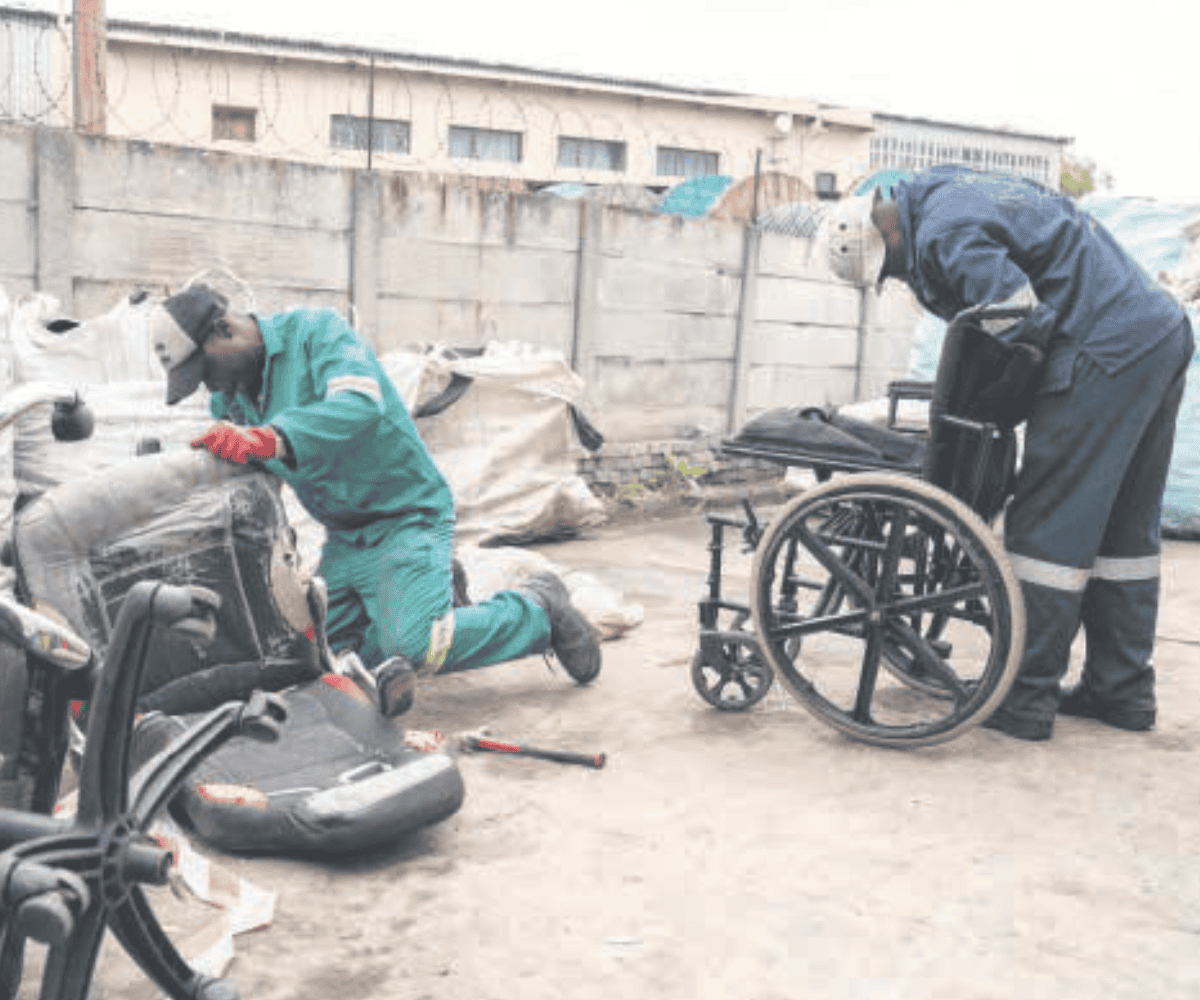
Thabiso Mothobeni and Tshidiso Letele dismantle items to be recycled. ARO bails up to 250 tons of plastics and boxes monthly. Picture: Our City News


‘All we want for Christmas is your waste,” is African Reclaimers Organisation (ARO) spokesperson Luyanda Hlatshwayo’s message for Joburg residents this festive season.
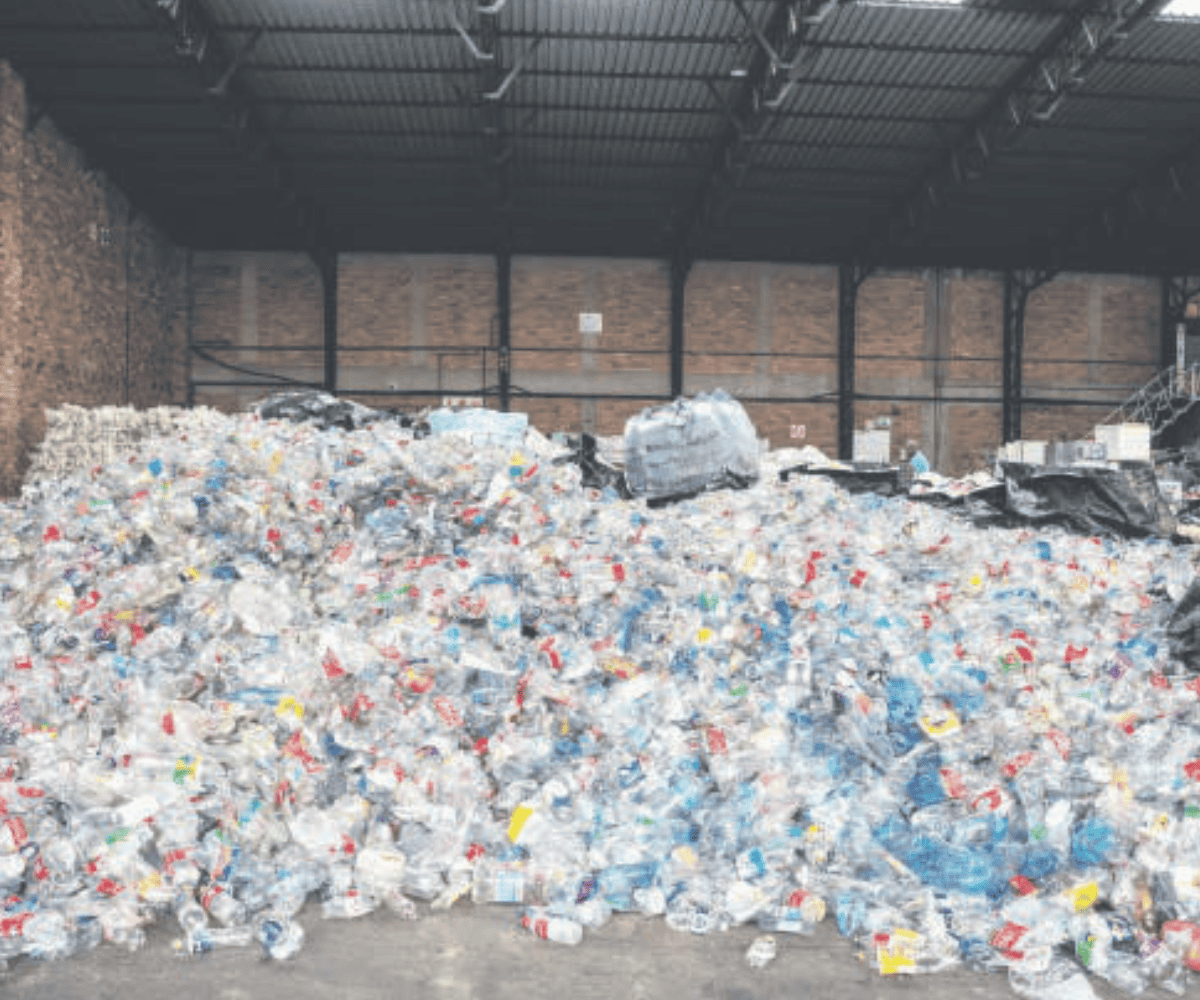
He’s standing in the doorway of a large warehouse full of bags of plastic, metal, paper, electronics and other recyclables.
A facility run by reclaimers
Inside, a group of ARO employees are sorting and separating the various materials at Johannesburg’s first waste sorting facility run for and by reclaimers.
The warehouse in Selby has been open for two years and has a full-time staff of 70, including Hlatshwayo, who previously worked as a reclaimer for 15 years.
Every week, hundreds of tons of household waste from about 18 000 Joburg households is collected by 60 reclaimers and delivered using five trucks.
The materials are separated, cleaned and compressed before being sent to buyback centres.
Adding value to recyclables
“The benefit of compressing the materials before selling is that we get more value by selling directly to recyclers.
“Reclaimers without access to bailers must sell their loose materials to aggregators who bail them before selling to the buyback centres,” ARO programme manager Nolu Tutani said.
ALSO READ: Joburg mayor blames shop owners for dirtying inner-city, intensifies crackdown
ARO is an advocacy and research organisation that represents about 5 000 reclaimers across Johannesburg.
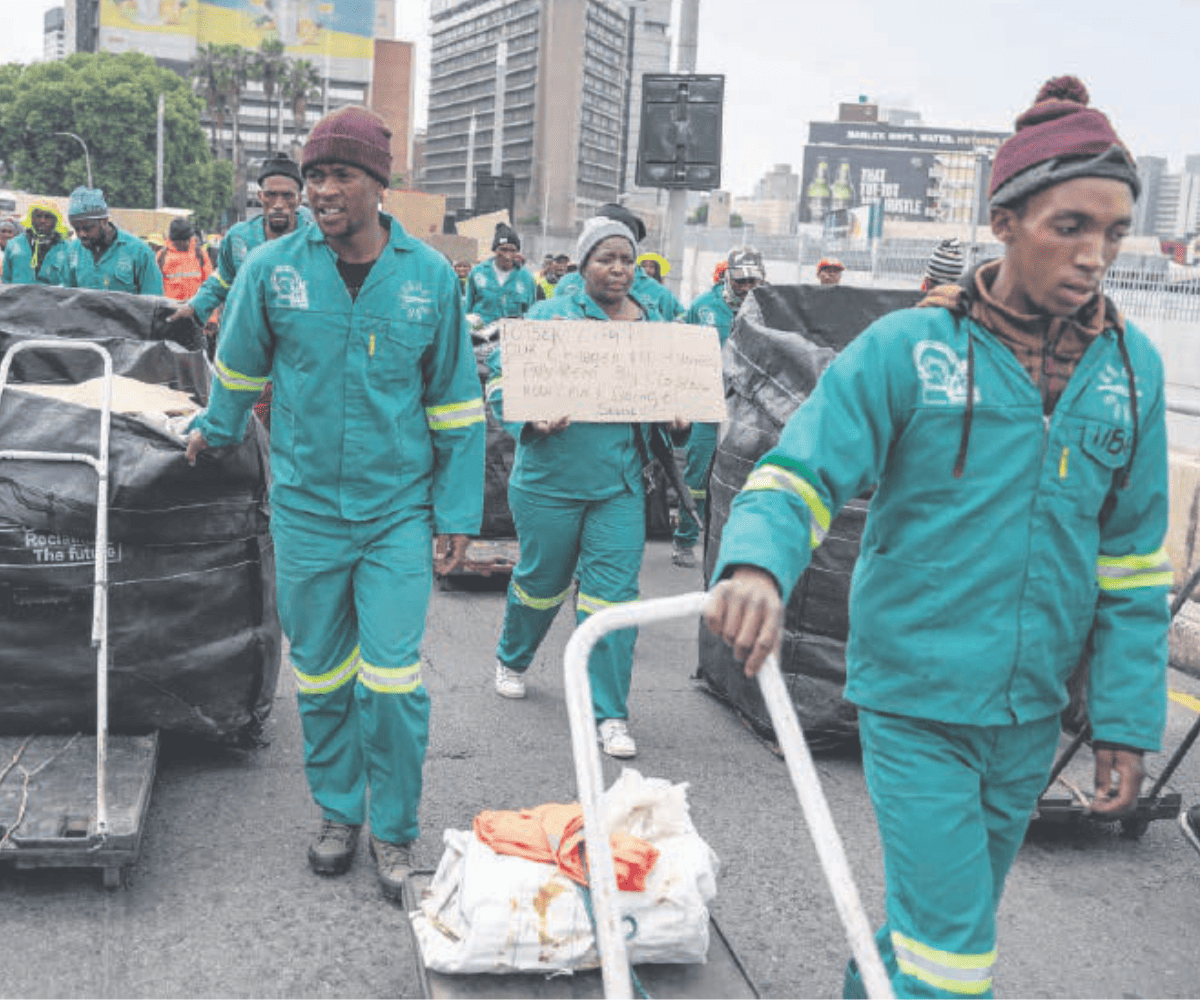
It was started in 2017 when reclaimers came together to protest their exclusion from Pikitup’s municipal recycling scheme called Separation@Source.
From protest to partnership model
“Ours is a model that is led by reclaimers for reclaimers. We have formal collections and contracts with various residents’ associations, complexes, some businesses and we do cleanups at events,” said Tutani.
Informal recyclers, also known as reclaimers or waste pickers, have long complained of the difficult work conditions they face in collecting, transporting and selling recyclables salvaged from the streets and landfills of Joburg.
Without adequate facilities and tools, they’re forced to clean and store their materials under bridges, in parks or in their homes.
ARO said that despite informal reclaimers having saved the cash-strapped Pikitup millions of rands in landfill airspace and waste collection costs, the city continues to sideline and stigmatise the informal industry.
Stigma, exclusion and slow reform
“It’s taken a lot for [Pikitup] to recognise reclaimers as people and we’re not totally over that hurdle yet,” said Tutani.
Using grants from the Alliance to End Plastic Waste, Coca-Cola Beverages SA and Unilever, ARO has worked with organisations like the University of the Witwatersrand to research and develop alternative waste management strategies that support and compensate the informal sector.
ALSO READ: National water tests show South African rivers are ‘open sewers’
“We started with one small facility, a bailer and one truck funded by $196 000 (about R3.2 million) from the Alliance. The key performance indicator was to collect 1 000 tons of plastic in a period of nine months,” said Tutani.
After surpassing their goal, ARO received more funding to scale up their operations and now bails up to 250 tons of plastics and boxes monthly, said Tutani.
Tutani told Our City News that their facility was profitable within six months of launching. Now ARO is building another sorting and storage facility in Mpumalanga.
Policy promises and persistent barriers
Much of ARO’s work has been focused on educating stakeholders, especially residents, and ending stigma against waste reclaimers whose important role in the city is misunderstood as a public nuisance.
The 2020 National Waste Management Act directs municipalities to integrate waste reclaimers into their workforces.
But the City of Joburg has been slow to change the by-laws that leave reclaimers vulnerable to harassment by residents, security companies and the Johannesburg Metro Police Department.
Negotiations between Pikitup, the city and waste reclaimers over the integration of waste reclaimers as per the legislation have repeatedly failed.
“The city made it clear that there is no waste picker integration programme that will take place without communication with waste pickers and the city’s door is always open to further engagement with waste pickers themselves,” said city spokesperson Nthatisi Modingoane.
NOW READ: Joburg’s historic Bezuidenhout Valley farmhouse falls into ruin