
Years of hard work at a Russian ballet school have turned South African Candice Desilets into a budding ballet star.
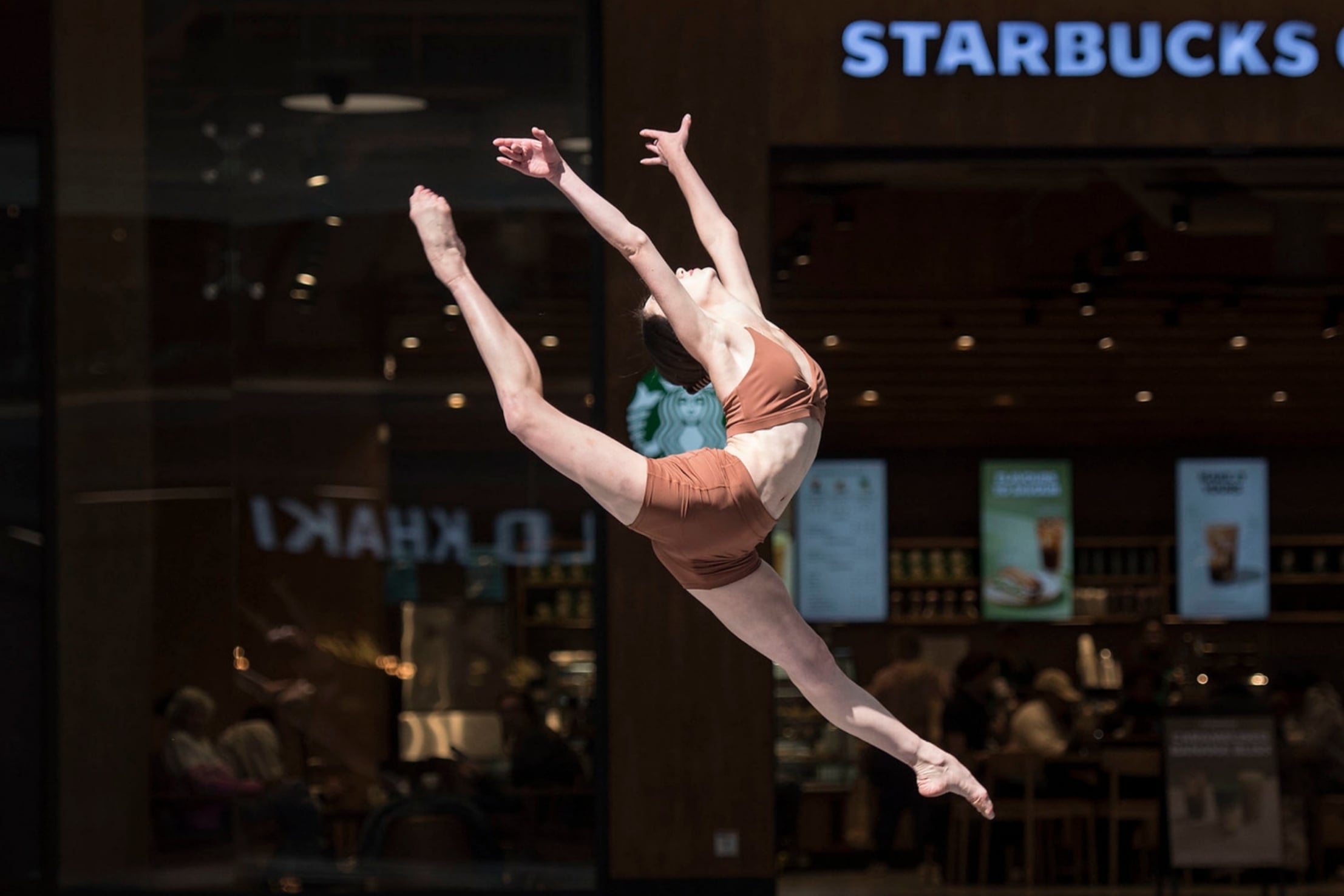
Star ballerina Candice Desilets in Fourways Mall. Picture: Michel Bega / The Citizen


Ballet is supposed to look effortless. The audience sees pointed toes, impossible turns and carefully controlled movement that looks as if it flows, like an ocean tide. They don’t see the pain underneath or the hardcore training required to achieve excellence. It’s a sport, it’s an art and it can be brutal.
Twenty-year-old South African ballerina Candice Desilets makes it look easy. But making it look easy has meant six-hour training days, dancing through injuries and relentless criticism.
Desilets recently became the first South African to graduate from Russia’s prestigious Vaganova Academy of Russian Ballet in St Petersburg.
She learnt Russian on the go
For four years, Russia was home and ballet was all-consuming. Desilets arrived without being able to speak Russian, yet from day one her classes were conducted in the language. Her schedules were handwritten in Russian cursive and her classmates largely spoke no English. It was like a Siberian ice-cold wake up call.
“Basically from the beginning I had to learn Russian,” she said.
She is now fluent.
The training demanded she learn another kind of fluency, too, because the environment was vastly different to South Africa. Russian ballet culture is quite different from what she knew at home. Desilets compared its place in society to rugby in South Africa: She said theatres stage ballet regularly, performances fill seats and people understand the discipline behind it.
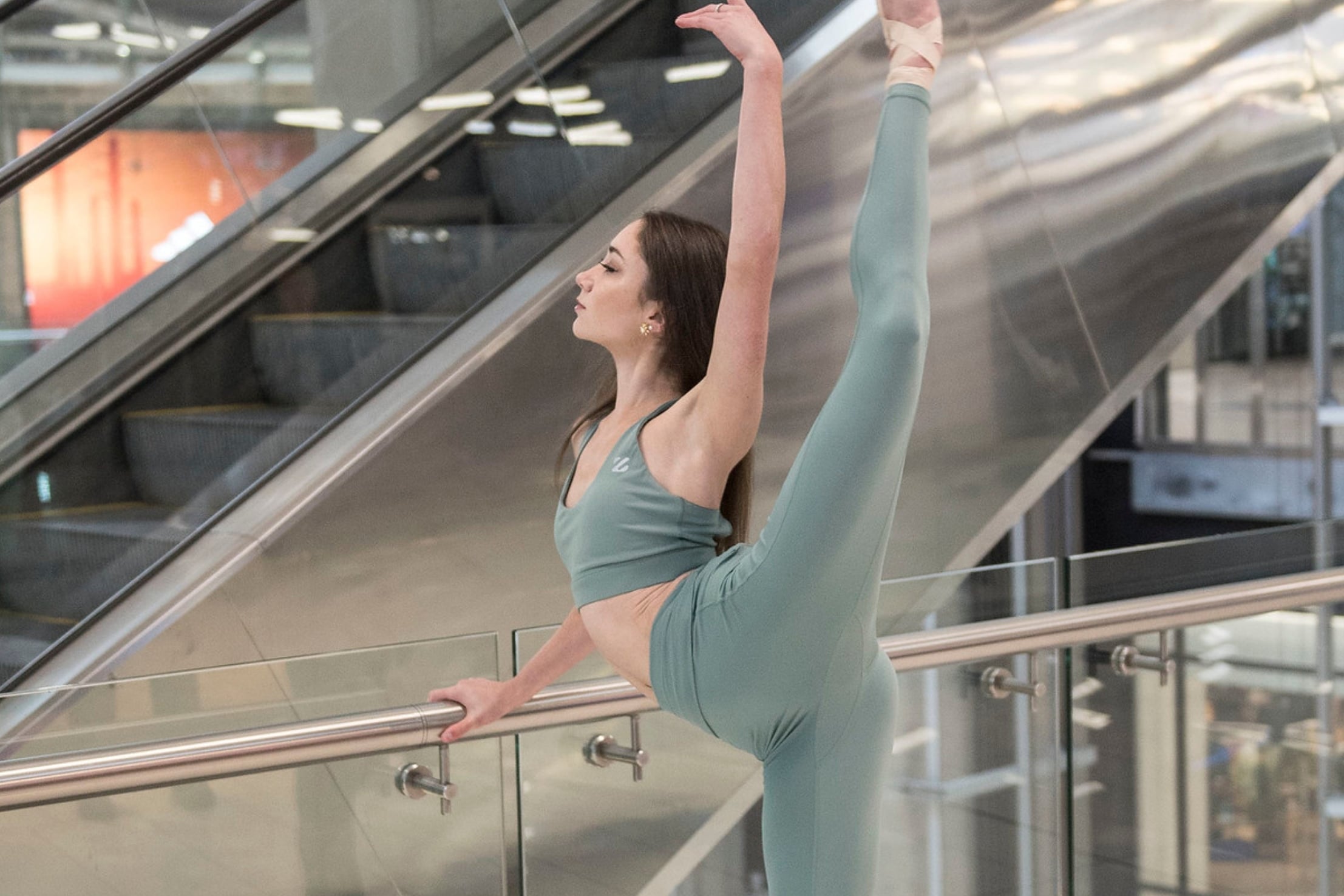
Teachers at the school, however, could be brutally direct.
“They’ll just be like, ‘That was terrible. You’re never gonna get a job. Also, you’re fat. You’re ugly. And that performance was just a disgrace. You should go home.'”
To outsiders, comments about a dancer’s weight, appearance or prospects might sound unnecessarily cruel. For Desilets, though, understanding the culture behind the criticism became part of surviving the academy and resilience carried her on its shoulders.
“Deep down, you know the teachers really care for you. They just can’t show it as such. It’s a very tough-love environment in the school.”
Learning to absorb criticism, pain and pressure without allowing it to derail her was tough.
“You don’t shut off. It’s consuming. You live, breathe, eat it,” she said. “That’s what’s required if you want to get anywhere in this career.”
Streets are maintained, the food is not bad in Russia
Life outside the studio required adjustment too. Russian winters were properly cold and the food initially did little to win her over.
“At first I really disliked Russian food,” she said. But once she was back in South Africa, she missed it, particularly the cottage cheese-based dairy products, desserts and savoury dishes.
She also noticed the physical differences between the countries. In Russia, she said, streets were well maintained, roads were washed and swept regularly, gardens cared for during summer and snow was constantly cleared in winter.
“I did not see a single pothole in the four years I lived there,” she said.
Coming home brought perspective. In Russia, surviving six-hour days, injuries and constant pressure eventually felt ordinary.
“Pushing through, dancing with broken bones, like struggling every day. It doesn’t really seem like we’re achieving anything,” she said.
In South Africa, the congratulations I received on my graduation changed that.
“Everyone’s like, ‘Oh my goodness, that’s so amazing!’ And I’m kind of realising it actually is quite a big deal.”
During the hardest moments, there was no space to appreciate the achievement. “I had other priorities. I had to get through the process.”
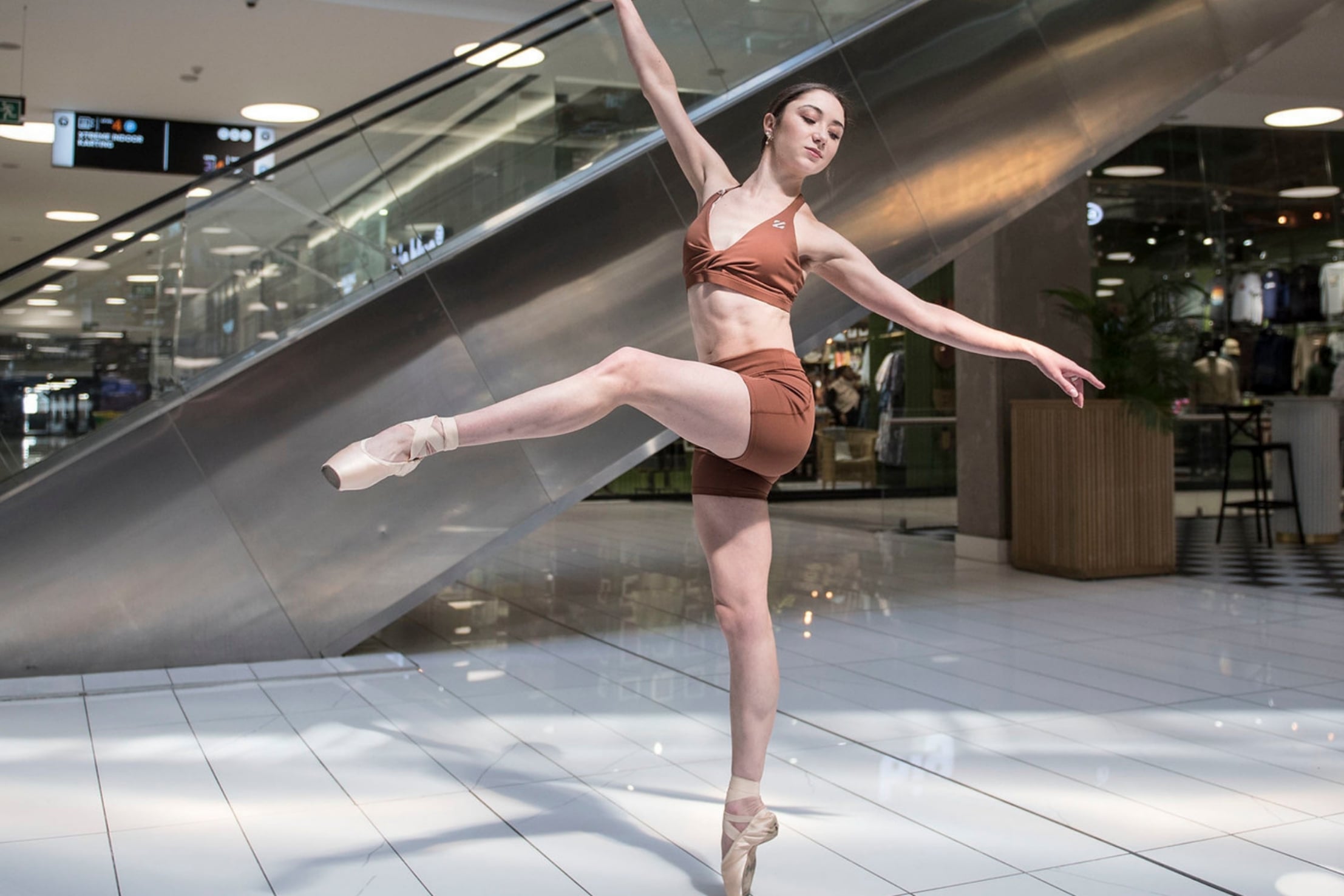
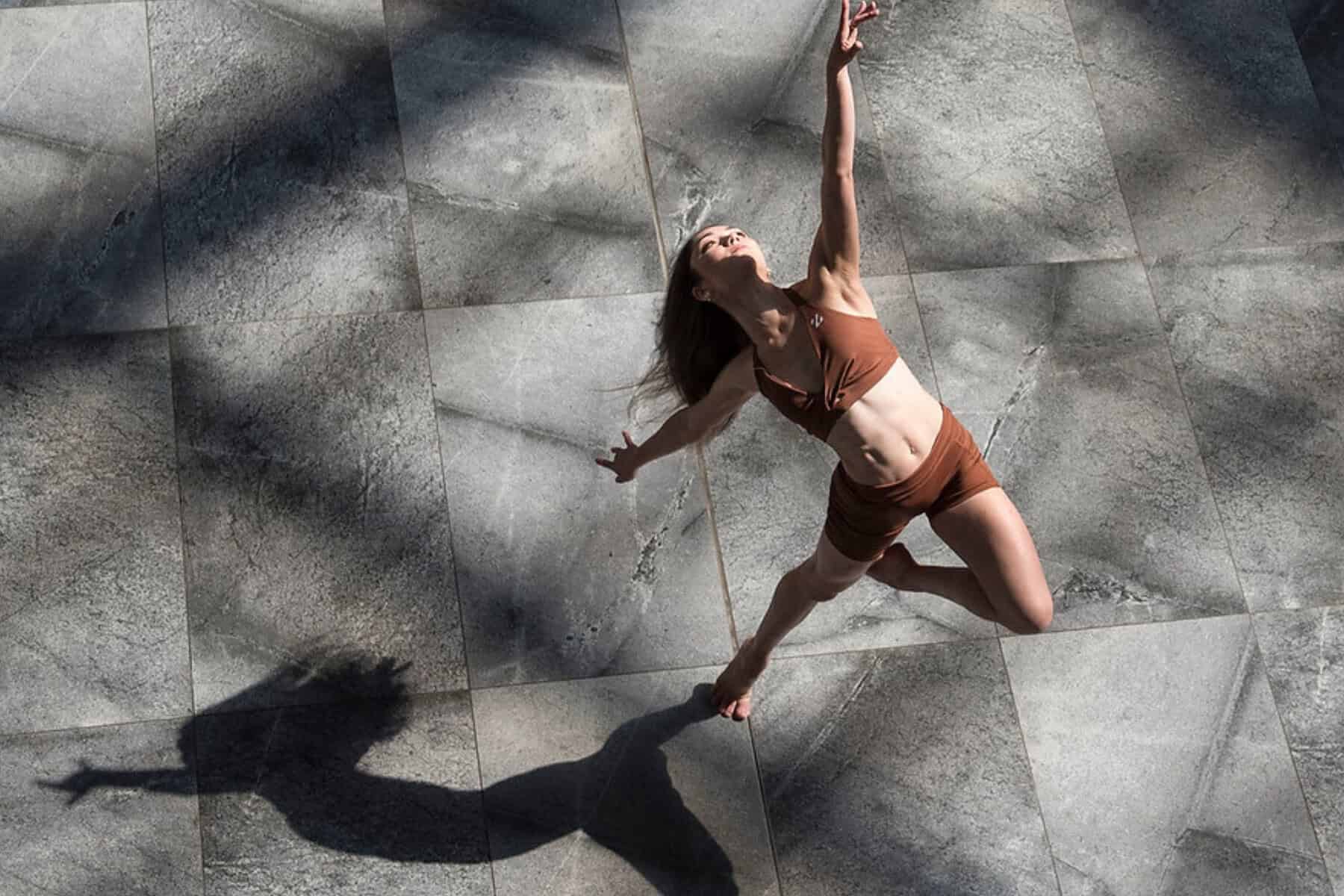
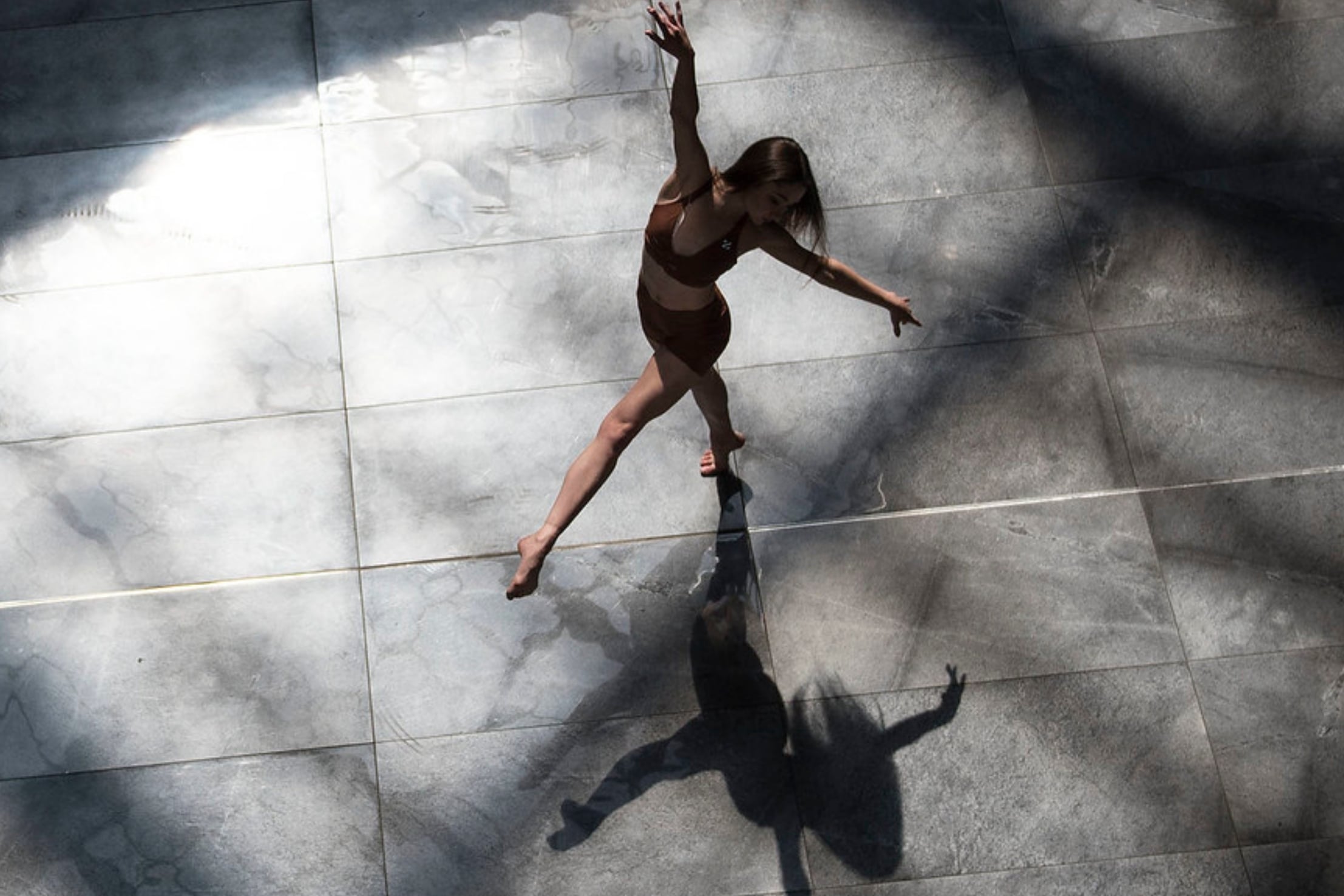
As a child, ballet was simply something Desilets did for fun. Then, at 12, she travelled to Russia with the Russian School of Ballet, watched the Mariinsky Ballet perform and saw the Vaganova Academy for the first time.
“I realised how expressive ballet is, and pure and graceful,” she said. “That’s when I decided it was something I wanted to pursue more seriously.”
By 13, she was considering ballet as a future rather than a hobby. A few years later, she returned to the country that inspired her love for ballet.
Desilets will soon return to Russia to work in a theatre and perform daily, while South Africa will remain the place she comes home to.
“I’ll never fully leave South Africa behind,” she said. “I’ll always consider this place home.”