Affordability of cars remains an issue.
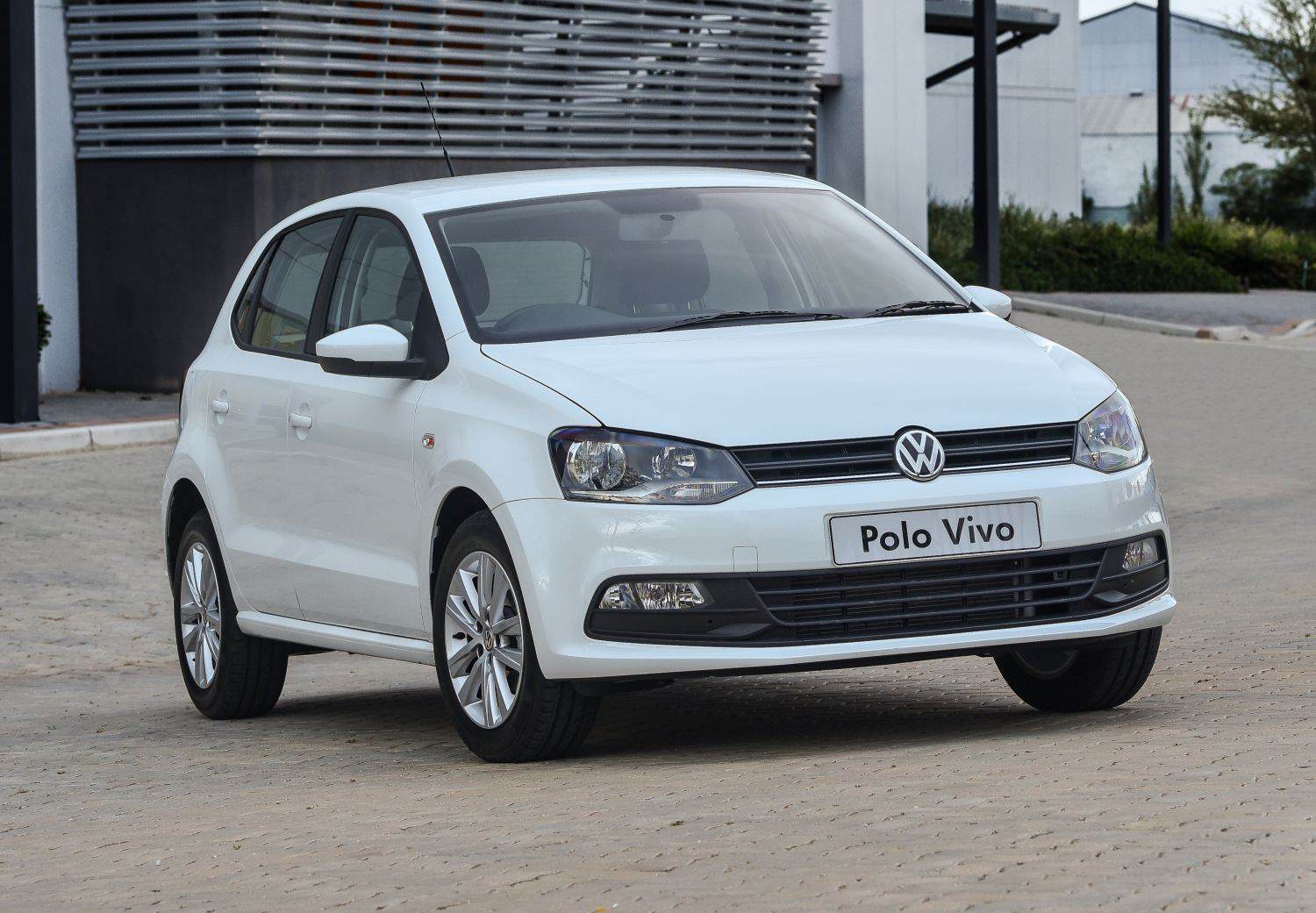
VW Polo Vivo 1.4 Trendline models are in demand. Picture: Supplied


Chinese car brands may be making inroads into the South African market, but locally manufactured models are holding their ground.
The Volkswagen Polo Vivo, manufactured at Volkswagen’s Kariega plant in the Eastern Cape, has reclaimed its position as the country’s best-selling new passenger car, underlining the continued strength of established brands with a local manufacturing footprint.
Cars.co.za revealed this in its 2026 Industry Report on Thursday morning. Automotive key players are set to spend the day at the DealerCon automotive retail summit at the Sandton Convention Centre in Gauteng to unpack the state of the industry.
Best-selling cars in SA
According to the report, Volkswagen Polo Vivo was the best-selling passenger car in the first half of 2026, with 12 846 units sold. Suzuki Swift held the position in the first half of 2025.
The Chery Tiggo 4 Pro surged from sixth during the first half of 2025 to second this year with 11 322 units sold, elbowing past the Swift.
The top 25 best-selling passenger cars also include four Chinese vehicles that are not manufactured in SA: Haval Jolion (5th position), Omoda C5 (10th position), Jetour T2 (14th position), and Jetour T1 (24th position).
Chery is a Chinese brand, but it has a manufacturing plant in Rosslyn, Pretoria. It has previously been argued that a surge in Chinese car imports will hurt the economy and that international brands should set up manufacturing plants to contribute to the country’s economy.
Toyota remains loved
The report revealed that Toyota remains the dominant brand on Cars.co.za, holding 10 of the Top 25 most-enquired-about vehicles, even as demand for the platform’s five most popular individual models has softened slightly this year.
Cars.co.za is the country’s leading online automotive marketplace and motoring media platform.
“South Africa’s mobility market remains resilient, but growing cost pressures are making affordability an increasingly important factor in vehicle purchasing decisions,” read the report.
The report noted that Chinese manufacturers now account for around 22% of the country’s passenger and light commercial vehicle market.
Distance between demand and purchase
The industry report highlighted a growing gap between demand and purchase.
“Consumer demand remains present, but the distance between aspiration and ownership is growing,” read the report.
“Rising financial pressure, persistent inflation and weakening household confidence are making it increasingly difficult for consumers to convert purchase intent into vehicle ownership, widening the gap between demand and purchase readiness.”
Cars.co.za used its own site data and consumer surveys, TransUnion’s market insight, and Absa’s vehicle-asset finance trends to get to the findings.
The findings revealed that early career and young adults are driving the strongest growth in vehicle asset finance, even as financed values rise, particularly in the R250 000 to R500 000 band and above R500 000.
People are struggling
The report noted that despite easing inflationary pressures relative to recent peaks, most people remain under significant financial strain.
“Household finances showed little improvement over the past year, with only 43% of consumers reporting their financial position was better than planned, while 40% indicated they were worse off.
“At the same time, confidence in future financial prospects has weakened, with household financial optimism declining from 71% to 66% year-on-year. These conditions are contributing to a widening disconnect between consumer demand and actual purchasing activity.”
The report noted that the challenge is not simply people’s appetite, but affordability.
“While 70% of consumers expect household income to increase during the next 12 months, only 37% believe their income is keeping pace with inflation. Inflation on everyday essentials remains the dominant financial concern, cited by 79% of households, forcing many consumers to prioritise essential expenditure ahead of discretionary purchases.”
Consumer spending behaviour
Cars.co.za said the financial pressure felt by most households is evident in consumer spending behaviour. The report found that 53% of respondents cut back on discretionary spending in the past three months, while 32% focused on accelerating debt repayment.
Looking ahead, only 24% expect to increase spending on large purchases such as appliances and vehicles, with 38% anticipating no change and 16% expecting to reduce such spending.
“These trends suggest that although mobility needs remain intact, a growing share of consumers are postponing or reassessing vehicle purchases as affordability constraints intensify,” noted the report.
Financial pressure is also influencing how consumers engage with credit.
While 92% regard access to credit as important to achieving their financial goals, only 36% plan to apply for credit, and 45% report abandoning applications altogether. Cost concerns, income constraints and uncertainty around approval remain significant obstacles.
Access to finance doesn’t unlock car demand
The report found that among those intending to seek credit, most are looking at liquidity-driven products such as personal loans and buy now, pay later (BNPL) services, while only 10% are considering a new vehicle loan or lease.
This suggests that many consumers are prioritising short-term financial flexibility over longer-term asset acquisition. Access to finance alone is therefore no longer sufficient to unlock vehicle demand.
“For many consumers, the gap between aspiration and transaction is being driven by broader affordability pressures that continue to weigh on household budgets,” read the report.