South Africa's solar boom is cutting into Eskom revenue as households and businesses turn to self-generation amid high electricity costs.
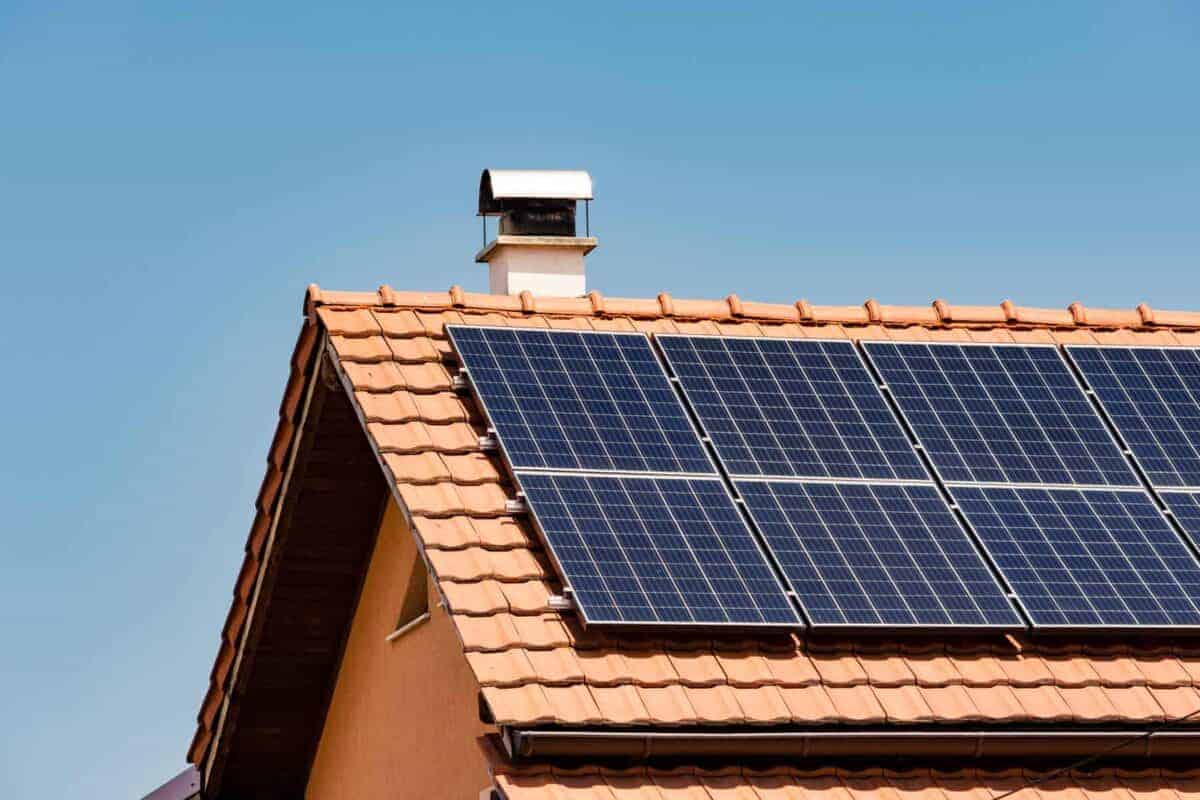
The rapid expansion of solar power could reshape the country’s electricity market and challenge Eskom’s pricing model. Picture: iStock


Eskom is losing more than R50 billion a year in revenue because off-grid solar power installations – many rooftop systems in suburban areas – now account for 20% of the country’s total installed electricity generation capacity.
By the end of this year, rooftop solar should top 10GW and total solar should reach 12GW, according to experts.
Solar boom puts pressure on Eskom
At an average charge to consumers of between R2.5 per kWh and R3 per kWh, that means Eskom is losing between R44 billion and R52 billion.
While the move to solar was originally spurred by load shedding caused by Eskom’s collapsing grid, it has now become a guaranteed saving for many South African households.
The South African Photovoltaic Industry Association‘s technical and policy manager, Sim Khuluse, said association’s most recent industry analysis puts South Africa’s cumulative installed solar PV capacity at more than 11.8GW, cementing the country’s position as Africa’s leading solar market and one of the top 20 globally.
Given the nation grid system’s capacity shortfalls which have been all but eliminated by solar, Eskom’s case for an additional nuclear power plant – proposed for an ecologically sensitive part on the Eastern Cape coast, makes less sense from a pure energy security point of view.
Nuclear plans face new questions
In October last year, Cabinet approved the Integrated Resource Plan 2025, making nuclear a key part of national energy strategy.
The plan allocates 5 200MW of new nuclear capacity by 2039.
However, with the release of the government’s Revised Electricity Pricing Policy scheduled for release tomorrow for public comment, questions will be asked about how Eskom intends to recoup to R50 billion lost to solar.
Electricity and Energy Minister Kgosientsho Ramokgopa said on Tuesday the new policy would bring new fairness and transparency to electricity pricing.
However, he admitted the current tariff increases each included a few percentage points to recoup debt owed to Eskom by municipalities.
The income being lost to solar is at least as big as the municipal debt owed to the power utility.
Consumers ‘looked elsewhere’
Organisation Undoing Tax Abuse CEO Wayne Duvenage believes the reforms come at a time when many customers have already taken matters into their own hands, investing heavily in solar, batteries and generators to reduce their reliance on Eskom and the national grid.
Duvenage said the issue of customers being punished by Eskom and government for challenges that the state was supposed to solve started more than a decade ago, so customers found a more affordable way to survive.
“For more than a decade, Eskom and government have responded to operational inefficiency, poor maintenance, corruption and declining sales by repeatedly pushing electricity tariffs significantly above inflation,” said Duvenage.
“Consumers responded exactly as one would expect: businesses and households invested in solar, batteries and alternative energy solutions, while energy-intensive industries reduced consumption or looked elsewhere.”
He added the state is “now confronting a problem largely of its own making”.
Eskom has to ‘win back customers’
This comes as electricity has become expensive and unreliable and demand for Eskom-supplied power has declined, leaving a shrinking pool of paying customers to carry an increasingly expensive system.
“This is the classic electricity utility death spiral, whereby higher prices and unreliable supply have driven customers away,” said Duvenage.
He said the state cannot now expect customers to return to the grid simply because a new pricing policy is being proposed, after spending billions of rands reducing their dependence on Eskom.
“The challenge now is much bigger: Eskom and the broader electricity industry have to win back those customers, who have already made substantial investments in self-generation infrastructure,” he said.
“That will require substantially more than restructuring electricity bills. It requires genuinely competitive pricing, reliable supply, efficient management and a fundamental change in how electricity consumers are treated.”
Energy analyst Tshepo Kgadima said independent power producers need to be allowed to contribute power to the grid, which will contribute to lower electricity prices.
“I have for a long time called for a standardised uniform tariff of electricity in South Africa and I have also for a long time now asserted that an 87 cents per kilowatt hour electricity tariff is what must be instituted in the country without delay,” Kgadima said.