Auditor-General raises alarm about Acsa not following procurement rules.
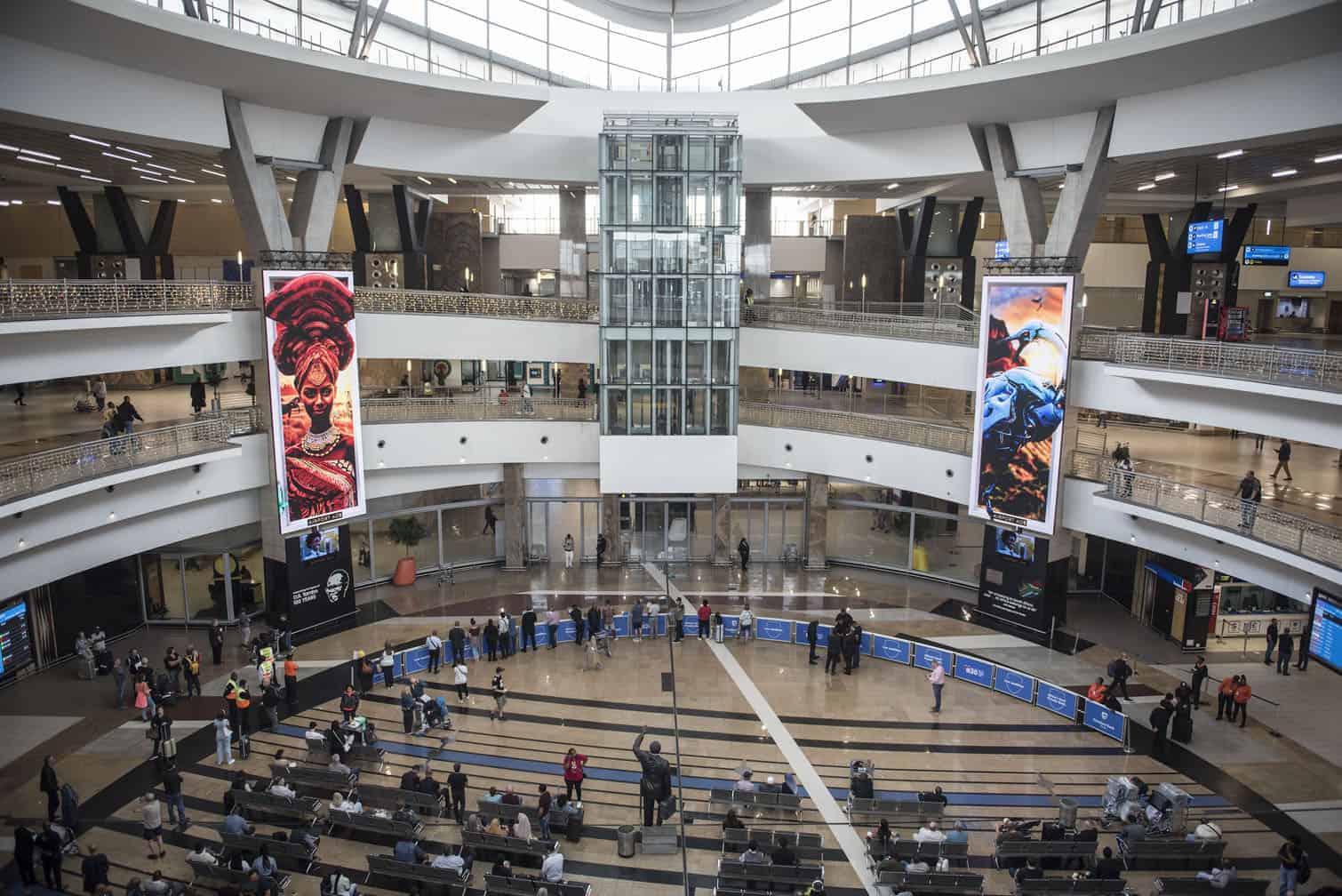
General view of the arrivals terminal at OR Tambo International Airport, 19 November 2025, in Johannesburg. Picture: Michel Bega/The Citizen


By several indicators, the Airports Company South Africa (Acsa) is not like other struggling state-owned enterprises (SOEs).
Acsa is a 74.6% government-owned entity that manages SA’s nine biggest airports, including OR Tambo International in Gauteng, Cape Town International in the Western Cape, and King Shaka International Airport in KwaZulu-Natal.
First, Acsa is profitable, having declared a profit after tax of R1.2 billion during the year ending 31 March 2026 – its third consecutive year of being in the black.
Second, Acsa is self-funded and does not rely on taxpayer-funded bailouts. It continues to pay dividends to the government (about R84 million) and taxes on its profits (R796.1 million), contributing to the fiscus instead of taking from it.
Third, Acsa is operationally stable, as the airports it manages have largely recovered from the Covid-19 lockdowns that grounded planes and shuttered airport operations.
However, bad governance tendencies afflicting the SOE universe are following Acsa, undermining its financial and operational progress.
When irregular expenditure becomes a ‘habit’
Acsa continues to be criticised by the Auditor-General (AG), which has flagged increased irregular expenditure around its procurement and supply chain functions.
Acsa’s annual report, published on Wednesday, shows that its irregular expenditure increased to R400.3 million during the year ending 31 March 2026, up from R333.1 million in the same period last year.
The R400.3 million irregular expenditure is not entirely new, but of this total, R146.6 million is new and incurred during the reporting period.
The AG requires companies like Acsa to include and repeatedly report historic irregular expenditures in every set of results until they are adequately dealt with or remedied.
While Acsa received an unqualified audit opinion, meaning its financial statements are fairly presented, the AG’s findings on irregular expenditure and non-compliance with procurement rules mean it did not achieve a clean audit.
‘Not just Acsa’ says CFO
Asked if Acsa has an entrenched procurement problem given the AG’s findings, Acsa CFO Luzuko Mbotya said the matter is not unique to the SOE.
“Other SOEs are also facing irregular expenditure problems,” Mbotya told Moneyweb after Acsa’s results presentation on Wednesday.
“Unlike the private sector, procurement in the SOE space is complex and has too many rules and regulations to comply with.
“Sometimes goods and services are procured on an emergency basis, resulting in rules not being followed.”
He explains: “Sometimes our rules require us to compare quotes from three or more suppliers and go with the best price. This can be time-consuming when faced with an emergency.”
Emergency procurement
The AG has, in particular, flagged irregularities with Acsa’s contract to procure explosive trace detectors three years ago, which was procured through emergency instead of normal procurement processes.
According to The Citizen, this R36 million contract was disputed in court, resulting in the procured detectors not being used by Acsa.
Mbotya took issue with the suggestion that irregular expenditure is misunderstood as corruption or theft of funds.
Arguably, he is correct – but that does not make it acceptable, as Acsa would have flouted procurement rules, falling short on governance and best practice standards.
The AG was blunt in its assessment of the matter. “Management did not implement adequate preventative measures over procurement and contract management to prevent non-compliance in this area, as well as the incurrence of irregular expenditure,” according to the AG report.
Mbotya said a new chief procurement officer has been appointed to remedy past and new irregular expenditures. This officer will report to Acsa’s audit and risk committee on the board.
Now more than ever, it is important for Acsa to comply with procurement rules.
Big spending coming up
Acsa acting CEO Charles Shilowa revealed an immediate R15 billion capital expenditure plan to be rolled out from 2027 to 2029, potentially lifting this expenditure to R37 billion by 2031.
Acsa will spend this money on, among other projects, modernising airport infrastructure and services, such as fixing runways at airports, installing jet fuel pipelines, and deploying technology that enhances airport security and scans luggage quickly to reduce queues at security checkpoints.
To fund this expenditure, Acsa plans to raise R10 billion through debt capital markets and use its resources (it has immediate cash worth more than R5 billion).
Mbotya acknowledged that Acsa has to strengthen its procurement systems to prevent further irregular expenditure that might be incurred from procuring services to unleash its planned capital investment plan.
This article was republished from Moneyweb. Read the original here.