
Sewage crisis: Woman files criminal complaint against Tshwane
With sewage overflowing from a Bronkhorstspruit wastewater treatment plant and no action through official channels, a resident is taking a stand to hold the municipality accountable.
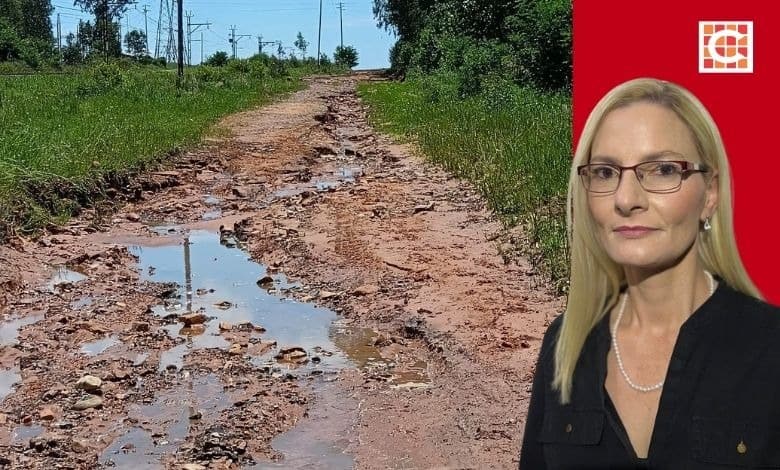
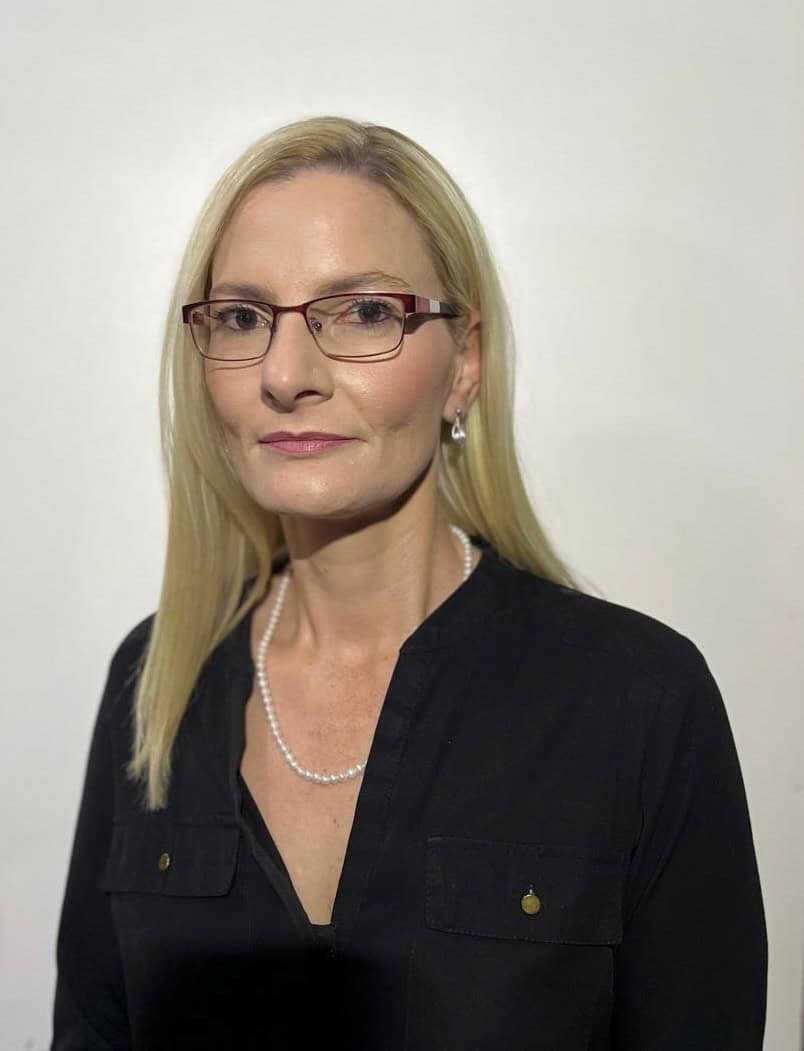
Before the sun rises, Carlien van Rensburg is already tending to her stud dairy herd. On her farm east of Pretoria, near Bronkhorstspruit, the fruits of 11 years of painstaking dedication are evident.
With her hair a wild bush of honey-gold and dressed in work-worn farm clothes, Van Rensburg is one of the few female farmers in the district. Yet, for all the satisfaction her work brings, each morning is tainted by the stench from the sewage treatment plant just 500m away. It hits her like a physical blow.
The conditions are punishing. Swarms of midges and mosquitoes buzz incessantly around her herd, while the road leading to the farm is a muddy, neglected mess. Trucks bound for the sewage treatment plant frequently get bogged down, and because her delivery vehicles use the same route, Van Rensburg is often forced to help them free them. Time and again, she repairs the road herself – at her own expense.
“But what good does it do to complain?” she asks. “We are on our own.”
Over the years, Van Rensburg has lodged several complaints with the City of Tshwane (CoT) and the Gauteng Department of Roads and Transport, but to no avail. She is now making the best of a desperate situation. She does not use the water from the Bronkhorstspruit River for irrigation or to water her herd.
Severe environmental and health hazards
For years, the roughly 62 000 residents of Bronkhorstspruit have complained about the town’s failing sewage treatment plant, alleging that sewage has repeatedly overflowed into streets, properties, roads and the Bronkhorstspruit River system.
However, residents allege these concerns have been met with a shrug, saying the city says it does not have the money to fix the plant.
For many residents, the failing sewage infrastructure is not a distant environmental concern but a daily reality that has left them frustrated and searching for their own solutions.
Resident Quintilla de Vries has decided to take matters into her own hands after two weeks of a blocked drain, sewage overflowing her yard and the street, and toilets that would not flush.
“I think everyone is so used to bad service delivery, or even no service delivery at all,” she says.
A stand for justice
De Vries opened a criminal case against the CoT last week. If successful, the case could result in substantial fines and court-ordered rehabilitation measures, while individuals found criminally liable could also face imprisonment.
Under the National Water Act No 36 of 1998, environmental negligence, such as unlawful water use, dam safety failures or discharging pollutants into water resources, is a criminal offence.
The Bronkhorstspruit police station confirmed that a criminal case has been opened.
De Vries is not the first to lay a complaint against the city, as the impact of the sewage crisis extends into Mpumalanga, threatening Balmoral, Witbank and the Loskop Dam catchment.
The Mpumalanga Department of Water and Sanitation (DWS) opened a case against the CoT for polluting the waterways in Bronkhorstspruit as early as 2023. This charge of contravening the Water Conservation Act followed an inspection by DWS officials on November 16, 2023, after a complaint about broken sewage pumps.
In 2025, the DWS ordered the CoT to repair sewer lines and to avoid blockages that lead to overflowing manholes and sewage spills. Almost a year later, De Vries claims the plant is worse than ever.
Systemic failure
“Sewage is currently streaming out of a hole at the plant, having already formed a pool that is polluting the surrounding area and potentially contaminating groundwater,” says De Vries.
She has undertaken several investigations. According to available information, the plant was designed to process approximately five million litres of sewage per day, but it allegedly receives about eight million litres daily.
“The situation was further exacerbated after a drum fell into a hole and damaged a pipe, causing untreated sewage to leak,” she alleges.
According to De Vries, two pumps are also out of commission, increasing the pressure on the system.
“It appears that the two pumps currently out of commission may not have sufficient capacity to handle the volume of sewage the plant is receiving. This could be a contributing factor to their current state and the further deterioration of the system. This aspect should be urgently investigated to determine whether the existing infrastructure is suitable for the actual volume to which it is exposed,” she says.
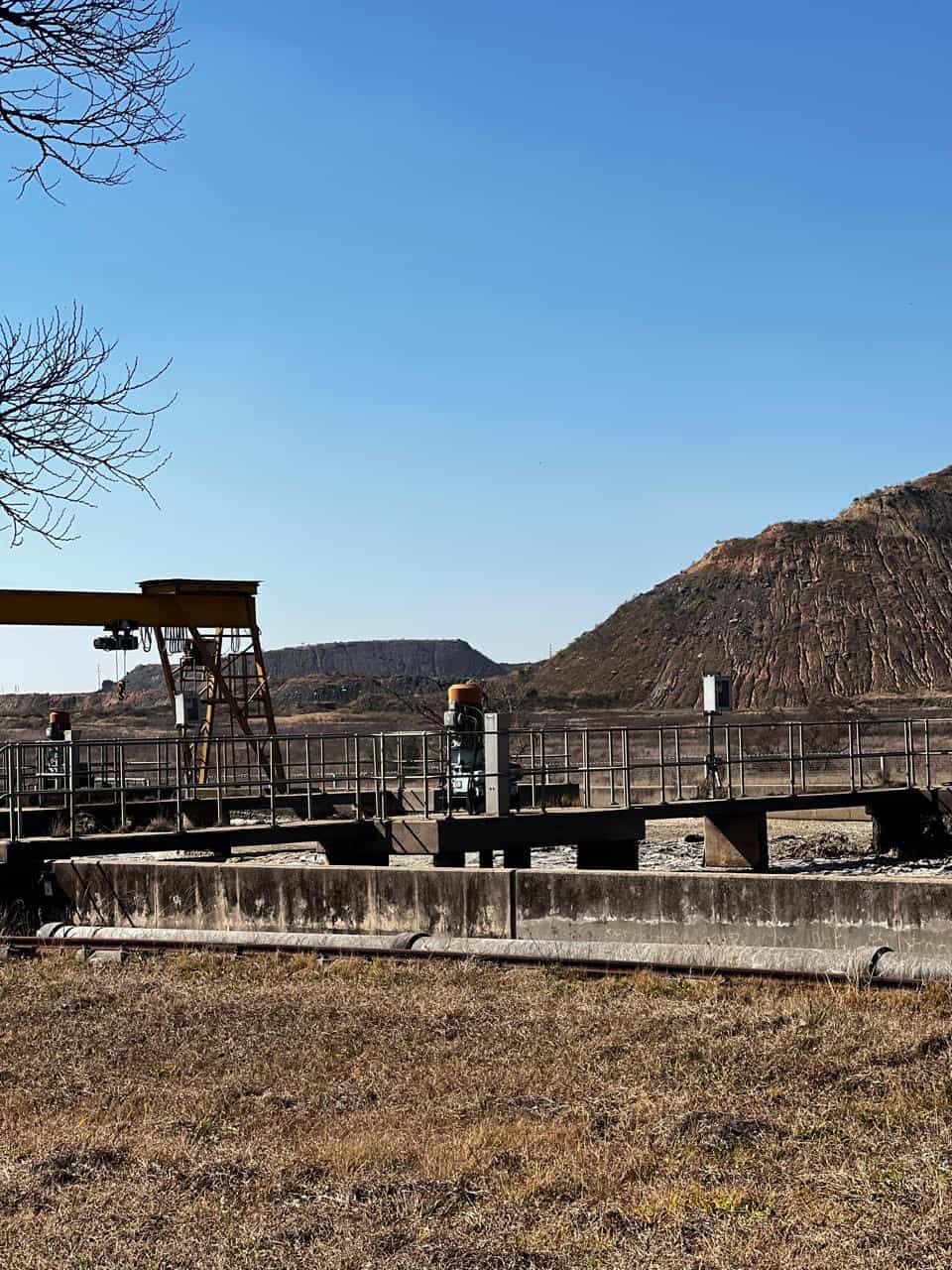
De Vries believes the most concerning fact is that the plant reportedly has no chemicals available to treat the sewage properly.
“Staff are allegedly using only one cup of HTH chlorine per hour in an attempt to treat the water. The result is that the water released back into the river is not sufficiently purified.”
The visual and environmental toll
De Vries says the consequences of the pollution are visible to the naked eye.
“The water in the river is described by residents as green or black in colour, with large amounts of foam forming on the surface. Dead fish are also a regular occurrence, which raises serious concern about the effect of the pollution on the aquatic ecosystem. The presence of dead fish is often an indication of poor water quality and low oxygen levels, which threaten the survival of water life.
“An unbearable stench hangs over the area, which is further indication that the water is not being sufficiently treated. These conditions are characteristic of severe water pollution and pose a major risk to the environment, livestock, wildlife and the health of communities downstream.”
R4m contract approved
De Vries alleges that a R4m contract was approved by the CoT in April to repair the pipe. The work has reportedly not yet started, as the municipality is said to be waiting for the new financial year to fund the project.
Caxton Network News contacted the CoT and the Gauteng Department of Roads and Transport for comment, but by the time of publishing, the enquiries remained unanswered.
Meanwhile, Caxton Network News contacted Leanne de Jager, the DA Gauteng spokesperson for the environment. After being presented with the facts, she issued a scathing media statement, calling this ‘not a local nuisance; it is a transboundary environmental disaster unfolding in slow motion while the City of Tshwane looks away’.
In the statement, De Jager said it is unacceptable that residents must resort to laying criminal charges to force basic accountability from a city that has known about this crisis for years.
“We demand that CoT immediately release emergency funding to repair and upgrade the Bronkhorstspruit Sewage Farm, rather than delaying intervention to the next financial year. A full public account of the status of the R4m contract approved in April 2026, including the appointed contractor and implementation timeline, must be provided. In addition, the access road to the plant, which has been maintained at the residents’ personal expense while city vehicles cause ongoing damage, must be repaired urgently.
She added that given the transboundary nature of this pollution and the city’s demonstrated failure to act, the DA will formally escalate this matter to the deputy minister of water and sanitation, Jack Bloom, requesting urgent national intervention.
“Residents and farmers along the Bronkhorstspruit River have carried the cost of this negligence for long enough.”
For now, Van Rensburg keeps tending to her herd. “I do not play politics. Neither the government nor political parties do anything for me.”
Breaking news at your fingertips… Follow Caxton Network News on Facebook and join our WhatsApp channel.
Nuus wat saakmaak. Volg Caxton Netwerk-nuus op Facebook en sluit aan by ons WhatsApp-kanaal.
Read original story on www.citizen.co.za

