
Poaching causes decline in lion population in Kruger
In northern Kruger, lion numbers are tumbling, with poaching and poisoning pushing this iconic predator toward crisis.
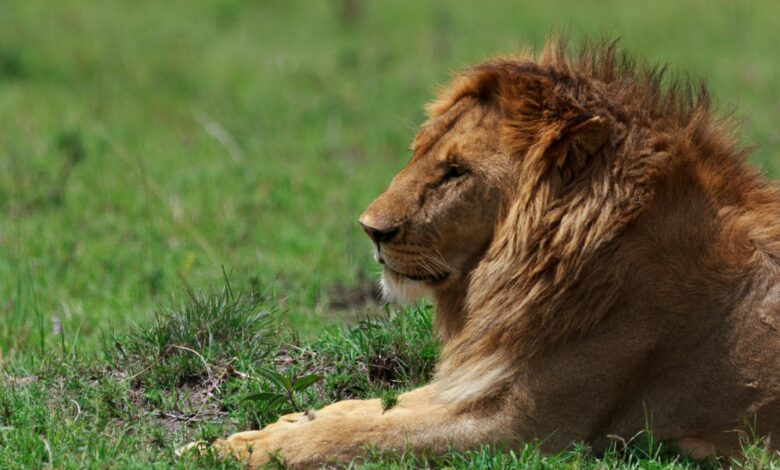
The Greater Limpopo Transfrontier Conservation area, spanning South Africa, Mozambique and Zimbabwe, is one of the few remaining strongholds for African lions (Panthera leo) in southern Africa.
Lowvelder reports that central to this cross-border conservation area is the Kruger National Park, which serves as a key source population of lion for neighbouring reserves.
In the past decade, however, lion poaching has started taking a toll on the species. Certain areas are plagued by snaring for bushmeat or the deliberate poisoning of carnivores.
The first park-wide survey in 2005 estimated the lion population at 1 803 individuals, of which the population in the northern reaches of the park was estimated at 455. With that survey now a decade old and reports of increased poaching, particularly in the northern Kruger National Park, concerns about the current status of lions in the region are justified. By 2025, the African lion population in the Nxanatseni region (between the Olifants and Limpopo rivers) had decreased to an estimated 179 individuals.
Partnering with South African National Parks and the Lion Recovery Fund, the Endangered Wildlife Trust (EWT) undertook a lion population survey in the northern half of the Kruger National Park in 2024 to obtain robust estimates of lion populations that would inform future lion management policies and practices.
During a similar lion population survey in the Nxanatseni north region of the Kruger National Park over three months in 2023, the population was estimated at 105 individuals.
Two field protocols had been used to collect the 2023 data: Search encounters and camera traps.
In 2024, a three-month-long lion population survey was conducted in the Nxanatseni South region of the park, using spatial capture-recapture models to obtain more reliable and comparable estimates of the abundance and density of lions.
Whisker spots identify individuals
Spatial capture-recapture entails taking photographs of a lion’s whisker spots to identify individuals. Some individuals are seen more than once, thus the recapture of their information to avoid counting the same lion twice.
Between July and September 2024, the members of the EWT’s carnivore conservation team drove 10 446km in search of lions, resulting in 182 detections of 74 individuals: 22 males and 52 females. Because of the high mortality among lions less than a year old, these were excluded from the survey.
Using this dataset, it is estimated that there are 144 lions in Nxanatseni South, a density of 3.5 lions per 100 km². Besides the higher number in the southern Nxanatseni area, the survey again found that lion density decreased the further carnivores are away from water.
Out of the 247 lions detected, 182 could be positively identified, while 65 could not because the photos taken of the individuals were not clear enough for identification.
The report states that lion densities varied across the study area, with the highest estimates in sections which support large herds of herbivores due to productive soils and grazing grounds.
It adds that lower densities were found in the western sections, where mopane woodland, proximity to communities, and conflict with poaching may limit lion populations. In another area, which had an intermediate density, poor soils, low rainfall and hilly terrain were found to be constraints on the species.
Concerning observations
Although poaching incidents were not counted during the study, poached lions were found on the western boundary of the park.
The report concludes that the observations are concerning, given the conservation importance of the Kruger lion population.
Among the steps that need to be taken to conserve lions within the Greater Kruger conservation area are an increase in engagement with local communities and local traditional medicine users, alongside stricter law enforcement.
This may include giving rangers arresting powers and introducing harsher penalties for wildlife crimes.
Alongside these actions, more research is needed to determine the effect of water management in conservation areas, and the effect the increasing human presence along the boundary of, for instance, the Kruger National Park, has on the species.
Breaking news at your fingertips… Follow Caxton Network News on Facebook and join our WhatsApp channel.
Nuus wat saakmaak. Volg Caxton Netwerk-nuus op Facebook en sluit aan by ons WhatsApp-kanaal.
Read original story on www.citizen.co.za

