
KZN’s endangered humpback dolphins at risk as population falls below 500
Conservationists have called for more protection to be put in place to save humpback dolphins.
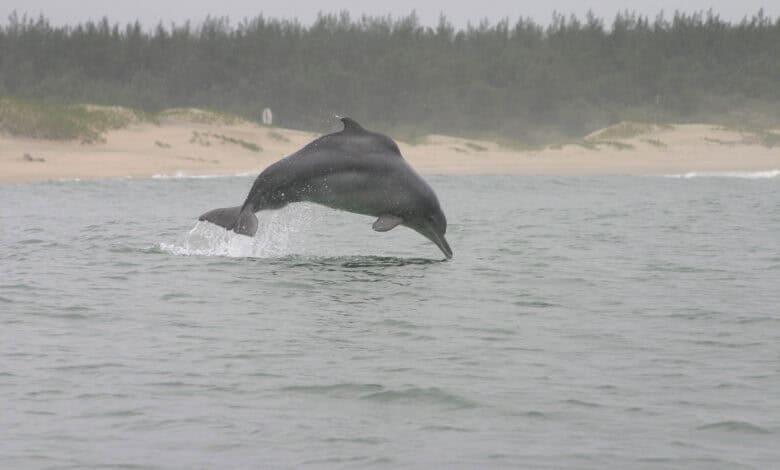
Fewer than 500 Indian Ocean humpback dolphins remain in South African waters, with experts warning the species is edging dangerously close to extinction.
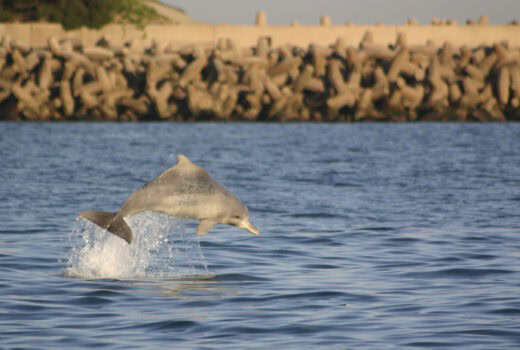
North Coast Courier reports that the KZN coastline is home to one of the world’s most threatened marine mammals, the Indian Ocean humpback dolphin (Sousa plumbea).
In 2015/16, the International Union for the Conservation of Nature (IUCN) and the Red List of Mammals of South Africa officially classified the humpback dolphin as endangered, making it the first and only marine mammal in South African waters to receive this status.
Established in 2016, the SouSA Consortium, a national network of scientists and conservationists, aims to save the species by combining research, strengthening collaboration and driving co-ordinated conservation efforts.
Research has identified two main populations of humpback dolphins in South Africa: One in the Agulhas region and the other off the KZN coast, particularly within the uThukela Marine Protected Area (Tinley Manor to Mtunzini) and around Richards Bay.
According to Maryke Musson, the executive manager of conservation education and communications at the South African Association for Marine Biological Research, the reasons for the species’ decline are complex.
“There is no single cause for the rapid decline of humpback dolphins, except that environmental factors play a pivotal role,” said Musson.
“We have limited information on them. They are shy and often found in small groups, sometimes even alone, so sightings are rare.”
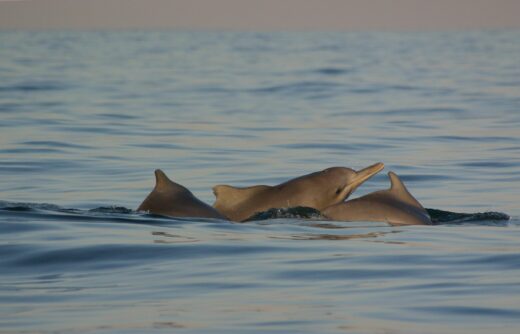
She added that their elusive nature is compounded by their low numbers and that they are frequently mistaken for bottlenose dolphins, with which they often swim.
Musson noted that overfishing, climate change, habitat degradation, chemical and noise pollution and shark nets are among the biggest threats to the species.
While some have suggested breeding programmes under managed care, Musson remains cautious.
“The species reproduces slowly and is only found in a narrow band of nearshore waters, all factors contributing to their continued decline.”
The proposed installation of shark nets and drumlines at Club Med Tinley Manor ahead of the resort’s planned opening in July next year is an additional cause for concern.
There is currently no formal biodiversity management plan for humpback dolphins in South Africa, although recommendations to government and key stakeholders are underway.
“Efforts are being made to involve the public, government and industries like tourism and coastal development to foster collaboration and create more effective solutions,” said Musson.
“This is a complex and challenging process, as species recovery in marine environments often depends more on broader international agreements, national laws and habitat protection than on specific species survival plans alone.”
Breaking news at your fingertips… Follow Caxton Network News on Facebook and join our WhatsApp channel.
Nuus wat saakmaak. Volg Caxton Netwerk-nuus op Facebook en sluit aan by ons WhatsApp-kanaal.
Read original story on www.citizen.co.za

