
Is that Black Friday special real? Protect yourself against online shopping scams
Scammers are targeting Black Friday shoppers. Get expert tips on spotting fake sites, dodgy links and rushed payments before you click ‘buy’.
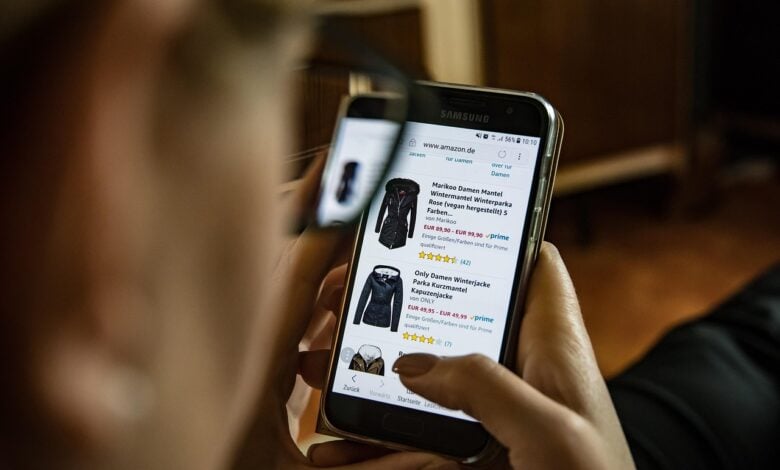
With Black Friday around the corner, it’s not only online shoppers who are on the lookout for a bargain. Scammers are eagerly awaiting their cut too.
“With digital fraud in South Africa increasing at an alarming pace, it’s vital for internet users to know how to identify and protect themselves against online scams this Black Friday and festive season,” says Carina van Wyk, founder of internet safety and digital literacy consultancy NetSavvy.
According to the South African Banking Risk Information Centre’s latest annual crime statistics, instances of digital fraud more than doubled from 31 612 cases in 2023 to 64 000 in 2024, with losses amounting to R1.4 billion that year.
“Globally, it is estimated that almost a quarter of adults lost money in scams over the past 12 months. This is based on a study by the Global Anti-Scam Alliance in which 46 000 adults from 42 countries, including South Africa, took part,” says Van Wyk.
“These numbers, which were released in October 2025, show that all internet users, irrespective of their age or level of education, need to know how to protect themselves online.”
Measures you can take to protect yourself against scammers:
- When placing an order or making a payment on a website, have a close look at the web address to make sure it’s the relevant company’s official site. Scammers sometimes create a fake website using a domain name similar to the official one. They could, for instance, replace the letter ‘i’ with the letter ‘l’ or the number ‘1’, making it hard to notice.
- Only download and use apps from official app stores like the Apple App Store or Google Play Store.
- Don’t click on links if you’re not 100% sure it’s safe to do so, especially when receiving them via WhatsApp or SMS.
- If you buy something from a small business and they send you an invoice with payment details, double-check the email address, paying close attention to every character. Also phone the company on its official number to verify the banking details shared with you before making the payment. Don’t simply trust it’s the number provided in the email or invoice you received.
- Unless you’re using an official secure online shopping mobile app, rather make purchases, verify email addresses or check invoice details from your laptop. It’s easier to spot red flags on a bigger screen and email addresses are not always visible in full on a phone.
- Never make online payments when you’re distracted or in a hurry.
- Be extremely suspicious if someone rushes you into making a payment.
- Never click on “remember card details” when making an online purchase – this goes for websites as well as your internet browser.
- Rather use a virtual card with a dynamic CVV number, which changes regularly, than a physical card.
“The rule of thumb when looking at any information – whether it pops up while you’re doing an online search, you see it on social media, or if you receive it via WhatsApp or SMS – if it sounds too good or shocking to be true, it probably is,” concludes Van Wyk.
About NetSavvy
NetSavvy is an internet safety and digital literacy consultancy. We know that a single mistake online can cost internet users significant amounts of money, often with devastating financial and emotional consequences.
We make internet safety understandable and give everyday internet users the skills to identify false information, protect their privacy, and stay safe online – ultimately helping them to keep their personal information away from criminals and their money in their bank accounts.
We offer workshops and educational talks for people with different levels of digital literacy and of all ages – from teenagers and students to parents and older adults.
Breaking news at your fingertips… Follow Caxton Network News on Facebook and join our WhatsApp channel.
Nuus wat saakmaak. Volg Caxton Netwerk-nuus op Facebook en sluit aan by ons WhatsApp-kanaal.
Read original story on www.citizen.co.za

