
Foot-and-mouth disaster status: Does it mean higher prices?
Some say long-term price hikes are unlikely, but short-term shortages of red meat and dairy products may occur due to foot-and-mouth disease.
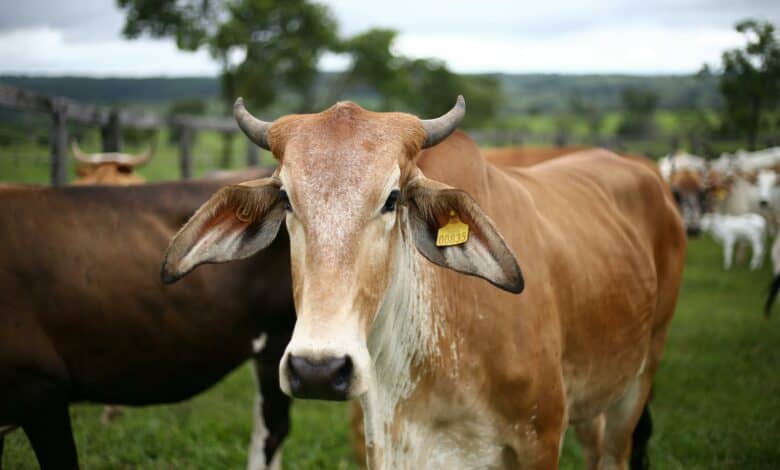
The ongoing foot-and-mouth disease outbreak, which has impacted parts of the country, has officially been classified as a national disaster.
In a notice issued by the Department of Agriculture, under the Disaster Management Act, the Head of the National Disaster Management Centre, Dr Elias Sithole, confirmed that the outbreak across several provinces, has escalated to disaster level.
Review Online reports that provincial and municipal authorities are expected to roll out prevention, mitigation and relief measures, while affected departments must submit progress reports to the National Disaster Management Centre.
Pressure on meat and milk supply
Foot-and-mouth disease spreads rapidly among cloven-hoofed animals such as cattle, sheep and goats. Because livestock farming forms a significant part of South Africa’s agricultural economy, any disruption has consequences beyond the farm gate.
The biggest concern is financial. Livestock farmers are often the hardest hit, as restrictions and animal losses place serious strain on their incomes. Infected animals also typically produce less milk, impacting dairy products such as milk, cheese and yoghurt.
For shoppers, this could mean seeing less red meat and fewer dairy products on shelves, especially in the short term.
Expert view on long-term price impact
It is often assumed that when there is less supply but demand stays the same, prices will automatically increase.
However, writing in the Mail & Guardian, chief economist of the Agricultural Business Chamber of South Africa and senior research fellow in the Department of Agricultural Economics at Stellenbosch University, Wandile Sihlobo explains that several factors influence what ultimately happens to prices.
These include how quickly and effectively government rolls out vaccinations and how many animals are sent for slaughter.
Another factor is that during these outbreaks, the restriction on export means that more of the produce stays in South Africa. When there is more meat available locally than usual, prices can actually go down rather than up, due to the extra supply on the local market. This may help to level out prices over time.
In other words, while there may be short-term pressure on meat and dairy prices, consumers are unlikely to face long-term price increases.
Breaking news at your fingertips… Follow Caxton Network News on Facebook and join our WhatsApp channel.
Nuus wat saakmaak. Volg Caxton Netwerk-nuus op Facebook en sluit aan by ons WhatsApp-kanaal.
Read original story on www.citizen.co.za